Stay Connected
Receive the latest news, grant offerings, and community events.
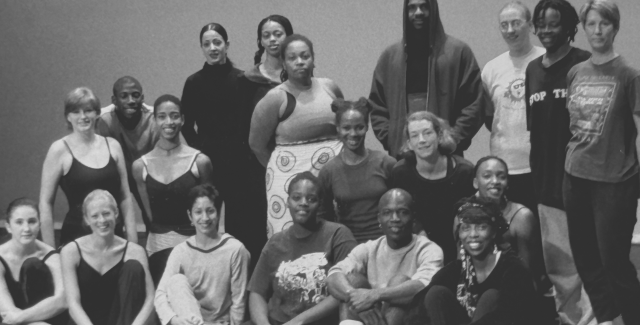
From the archives: Lula Washington poses with dancers from her company and students for her masterclass in Palm Beach, FL | photo by Peter Morpurgo, December 4, 2000
As part of NEFA’s 50th anniversary celebration, the organization plans to spotlight 50 extraordinary stories that have shaped artistic careers, strengthened communities, and transformed the cultural ecosystem. With these stories, NEFA will elevate the voices, histories, and visions of the artists, organizations, and communities at the heart of its work. These stories honor the visionary moments, bold experimentation, and enduring infrastructure that made lasting change possible. As these stories are shared, they will be populated below, in Our First 50 Years: A Chronology of NEFA’s Work and on our blog.
Learn more about NEFA’s plans for its 50th Anniversary
Honoring the past is essential to building the future. As we explore NEFA’s archives and reconnect with former directors and staff affectionately known as “NEFAns,” we also invite our valued constituents to share their experiences. How has NEFA supported your artistic vision, your organization, or your community? We warmly invite you to join this milestone celebration by sharing your story, The People's History of NEFA:
This chronology illustrates our social impact, organizational growth, and deep commitment to a network of leaders embedded in communities in the region, the nation, and across the globe. This timeline is not a comprehensive description of our shared histories, but a record of interventions developed for and with the communities NEFA is honored to serve.
1976
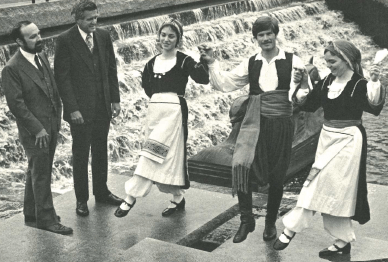
On February 25, 1976, the New England Foundation for the Arts was incorporated as a 501(c)(3) nonprofit, creating the pathway to contribute to the cultural life of New England and the nation.
“It’s also most interesting to note that the New England Foundation for the Arts has been incorporated and is beginning to look at regional services. I personally feel that this will be a great benefit to the New England states and their constituency," wrote Dr. Thomas Wolf, NEFA's first executive director.
1977
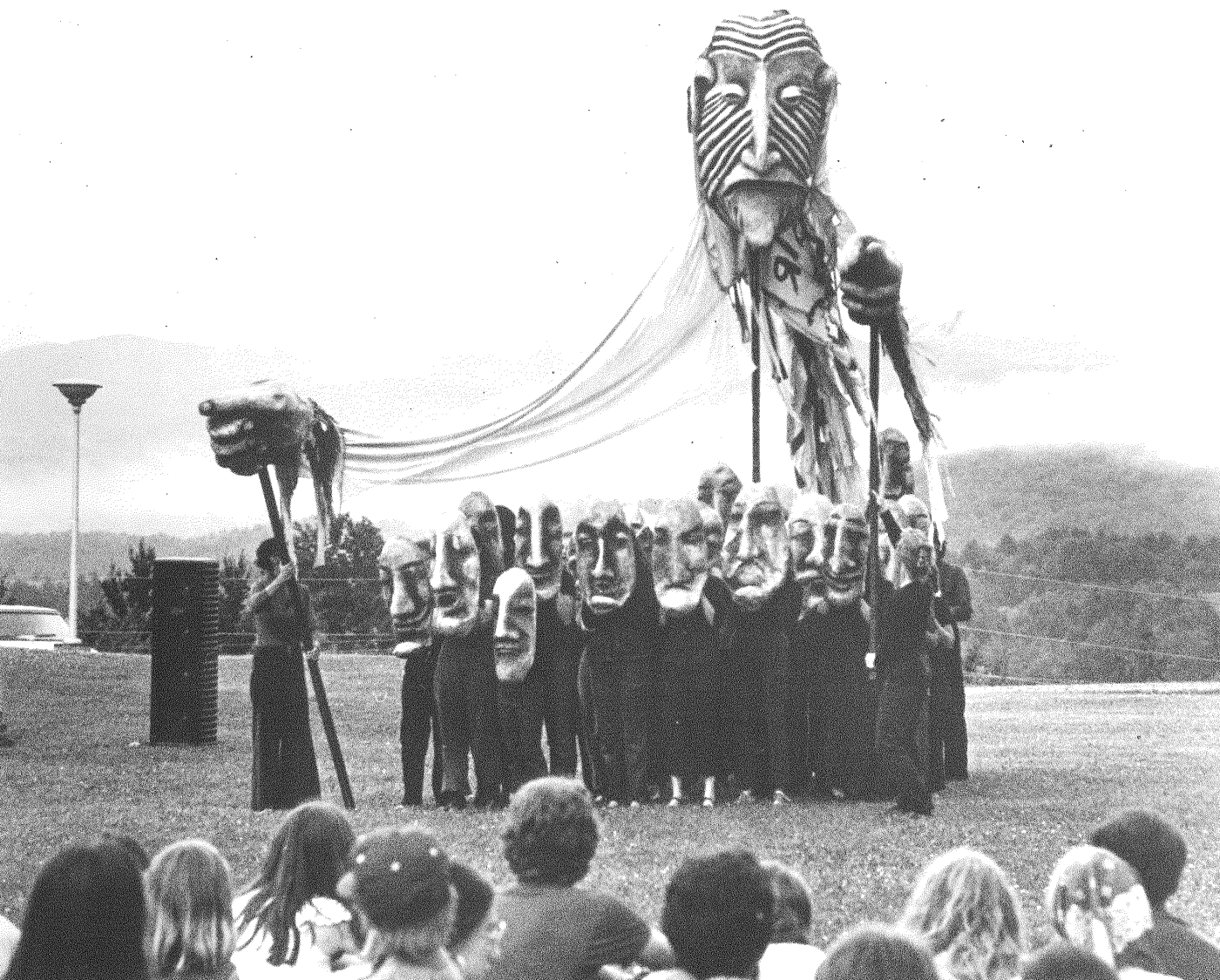
The New England Touring Program begins as a touring vehicle for 15 of New England’s featured musicians and performing artists, including puppeteers. NEFA's commitment to dance and theater also begins with the New England Touring Program roster, which provides New England audiences, in many cases, with their first opportunity to experience modern dance from New England and beyond. This program continues today and is now known as the New England States Touring (NEST) program and Crossroads: Touring New England.
1978
NEFA hosts its first showcase at a high school to introduce the Massachusetts Touring Program to MA presenters. The program is for MA-based presenters to showcase MA-based artists. The audience is largely school and university presenters. NEFA eventually combines the State Art Agency (SAA) rosters into a combined regional roster for NEST. NEFA continues to work with schools and universities through NEST, which has a much more diverse pool and expansive definition of presenters.
NEFA starts studying the economic impact of New England's nonprofit cultural sector by partnering with the New England state arts agencies to survey all known arts and culture nonprofit organizations in the region.
1980
NEFA’s first creative economy report, The Arts and the New England Economy, is landmark in that no organization had presented research on the economic impact of the arts in New England. Subsequent studies expand on the initial report’s data sources and findings, revealing that the region’s cultural nonprofits are a more significant financial force than anyone had ever imagined.
1982
The National Theatre of the Deaf tours New England with Gilgamesh, a dynamic and unique production performed by an ensemble of deaf and hearing actors. This is just one of 25 traveling NTD productions that NEFA will support over the years to come.
1984
New in New England (NINE), at Bennington College in Bennington, VT, breaks the regional barrier to provide New England audiences with a myriad of risk-taking art experiences. The work of multi-disciplinary artists, such as Philadelphia’s media/performing artist Peter Rose, New York artist Blondell Cummings, and Rhode Island’s own actor/performance artist Spalding Gray, are seen here by many for the first time. The result: dozens of New England organizations join NEFA’s presenter network.
1985
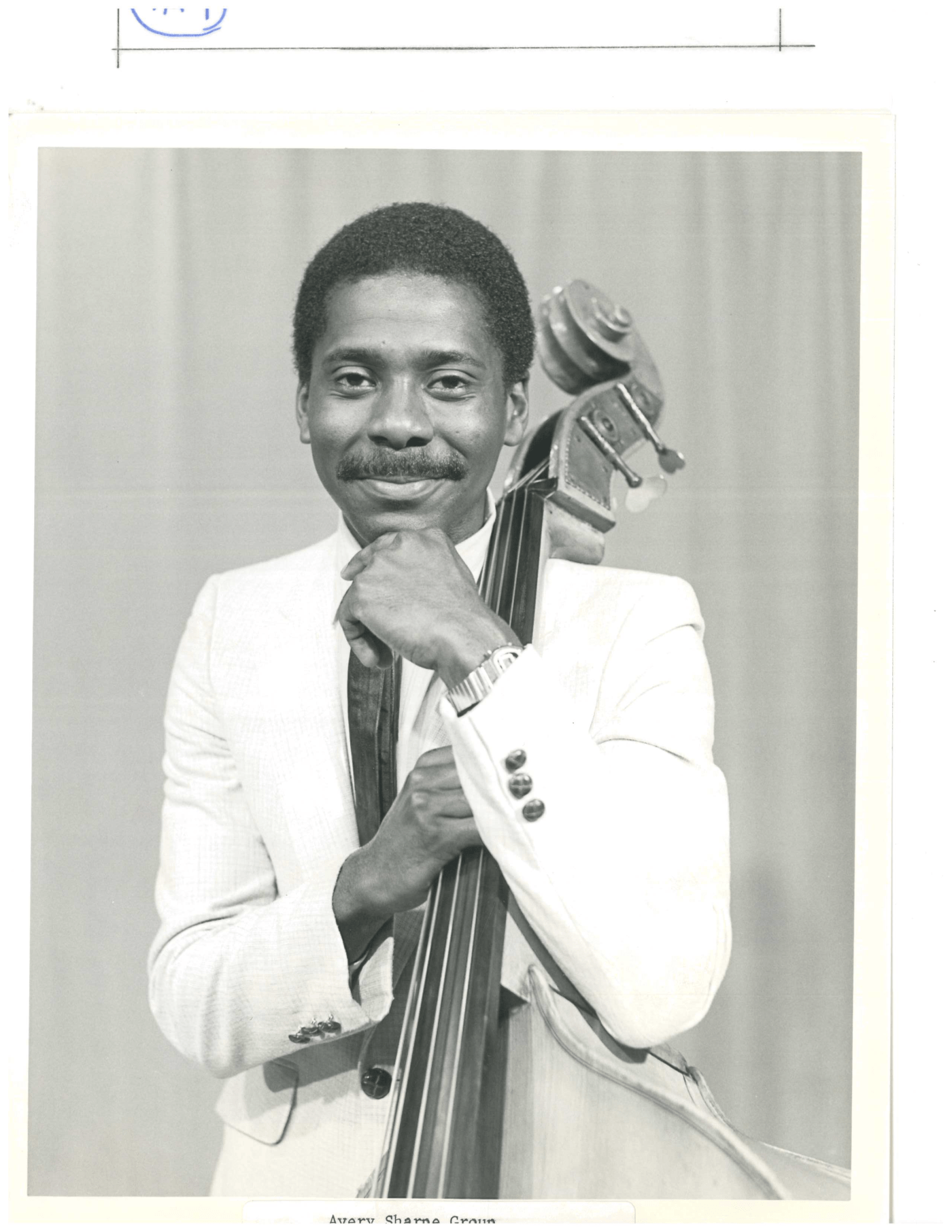
A Brief Description and History Document, created just before our tenth anniversary, offers a vivid snapshot of NEFA’s early programs, leadership, and aspirations, and is an inspiring reminder of how far we have come and the enduring values that continue to guide our work.
1986
The first New England, seven-site tour of emerging post-modern dance innovator Trisha Brown is funded by NEFA. Audiences in New England had an early look at Brown’s complex and original style, which brought her international prominence.
1987
NEFA sponsors Dance, New England, Dance!, a three-day conference and showcase for 250 administrators and presenters on partner-building, dance promotion, and education.
NEFA and the New England Presenters consortium collaborate on a music commission and a 17-site tour project with composer Tison Street and the Apple Hill Chamber Players. The vast reach of this tour sets a precedent for the future of touring in the region.
1988
NEFA develops tours and co-commissions work by significant contributors to jazz.
Liz Lerman’s unconventional Dance Exchange of women and men of all shapes, sizes, and ages further expands the definition of dance through extensive residencies in six New England sites. The result is a growing and important approach to choreography that brings local people and their stories into the dance work.
In collaboration with the Massachusetts Cultural Council, NEFA develops a touring roster for Latino communities in Massachusetts to assist in presenting exceptional Latino performing groups. The touring roster includes everything from Latin jazz rock, to salsa, to jibaro music to Black poetry in Lawrence, Lowell, Lynn, Gardner, Fitchburg, Brockton, New Bedford, Taunton, Worcester, and Southbridge.
1989
Cambodian and Laotian traditional performing artists become the first beneficiaries of NEFA’s Newcomers Project: a program that assists refugees and new immigrant performing artists with bookings, contracts, promotional materials, and showcase opportunities.
1991
The National Jazz Network marks NEFA’s first foray into national work and lays the groundwork for the expansion of NEFA’s New England Dance Project into the National Dance Project (NDP), a model example of how private and public funding organizations can work together to serve artists. In its first three years, the Lila Wallace-Reader’s Digest National Jazz Network supports 8,714 jazz artists in 1,123 performances reaching an audience of 1.6 million people.
Presenting the Folk Arts, held in cooperation with the Lowell Historic Preservation Commission in Lowell, MA, is the first conference and performance showcase to bring together over 100 traditional artists, presenters, folklorists, and educators to focus on cultural issues of folk arts presentation.
1993
Outstanding meringue, bomba, and pan musicians participate in NEFA’s “Island Roots & Rhythm Tour.” With an award-winning Trinidadian troupe of carnival dancers, the tour provides a stirring overview of Caribbean music. This was presented in partnership with the New York State Council on the Arts.
A community development retreat reveals that leaders invested in culture and the arts play a key role in fostering healthy communities. This work informs the development of a new program, Building Communities through Culture, launched in 1996 with lead funding from the National Endowment for the Arts (NEA) and the Fund for the Arts.
1994
The Cambodian Artists Project assists Cambodian artists from refugee communities in the U.S. and faculty members of the Royal Academy of Fine Arts in Phnom Penh to reconstruct and recover dances that were lost during the Pol Pot genocide. The Cambodian Network Council’s director, Sam-Ang Sam, is recognized with the prestigious MacArthur Award. This project is sponsored by NEFA’s Newcomers Project, Jacob’s Pillow Dance Festival, and the Cambodian Network Council.
The first New England Artist Congress, in Providence, RI, demonstrates the power and possibilities that emerge when nearly 300 artists come together at this three-day networking event jam packed with symposia, panel discussions, and volunteer work.
1996
In its first year, National Dance Project supports the creation and national touring of more than 17 contemporary dance projects, including: Eiko and Koma, Ballet Hispanico, Jazz Tap/Hip Hop Festival and Tour with Rennie Harris, the Mark Morris Dance Group, and more. The 30-year program was initiated by a $1million leadership grant from the National Endowment for the Arts.
Twenty-eight civic and arts leaders from 14 communities across New England participate in a series of groundbreaking meetings that shed light on how the arts stimulate development and change. These Cultural Development Fellows are selected based on their outstanding commitment to and work in the arts and/or community development. They represent a range of professions, backgrounds, and geographic associations. The Building Communities through Culture program links the leadership of participating communities, increase available resources, and create a body of knowledge about sites in New England in which cultural activities are central to community building efforts.
1998
The Creative Economy Initiative forms, with a steering committee and state co-chairs representing both commercial and nonprofit components of New England's cultural sector.
1999
More than 50 artists receive public art funding through the Visible Republic program, creating community-inspired installations that range from live video projections to limestone sculptures to a guerilla photography exhibit. The program is supported in part by Fund for the Arts, which began in 1981 to bolster the field of public art and became a restricted fund administered by the NEFA in 1992.
2000
NEFA partners with the New England Council to define the creative economy beyond arts and culture nonprofits and analyze its collective economic impact in The Creative Economy Initiative: The Role of the Arts and Culture in New England's Economic Competitiveness.
2001
Dance, the Spirit of Cambodia presents classical and folk dance and music from Cambodia during a 12-city national tour. The 41-member troupe’s coast-to-coast trip marks the first time in more than a decade that the living traditions of Cambodian music and dance formally tour in the U.S. This project is produced in partnership with Asia Society and Lisa Booth Management, Inc. It is a public celebration of more than a decade of documentation, preservation, and cultural exchange fostered between the Royal University of Fine Arts, U.S. presenters, funders, and Cambodian American communities.
2002
With encouragement and initial funding from the National Endowment for the Arts, NEFA embarks on a cultural exchange with Mexico through the Mexico Exchange Initiative. Cultural programmers from the U.S., with coordination provided by NEFA, visit Mexico to review artists' work, attend conferences and festivals, meet Mexican counterparts, and discuss possible project collaborations. Projects and collaborations take shape in three areas: dance, puppet theater, and music. The Initiative creates long-term relationships for artistic and cultural exchange by supporting, assisting, and connecting artists, presenters, producers, and other cultural representatives from the New England region and Mexico, a model that sets NEFA up for success with the development of Center Stage in 2010.
The first Idea Swap is held at the American Textile History Museum in Lowell, MA. The Idea Swap is an annual event for New England-based nonprofit cultural organizations to network and share ideas for performing arts, literary arts, and film projects that are available for presentation in New England communities. It continues today. The 24th Idea Swap will occur in the fall of 2026.
2004
The first ten-day dance lab, Regional Dance Development Initiative (RDDI), takes place in Seattle, WA. This lab is structured as a learning community designed to catalyze existing regional resources and redefine the relationship between artists and organizational partners. NDP develops RDDI to provide professional development for dance artists in regions across the U.S. Subsequent RDDIs are held in the San Francisco Bay Area (2006), Portland - Pacific Northwest (2006), New England (2007), Minnesota (2011), Chicago (2016), and New England (2021-2022).
2005
NEFA and the Maine Indian Basketmakers Alliance (MIBA) meet with Indigenous artists and leaders throughout the region following an invitation from the Ford Foundation to design a support system for New England’s Native artists. The recommendations at the meetings co-hosted by MIBA inform the design of a program to serve Native artists and organizations.
MatchBook.org, a new performing arts marketplace for artists to promote their work and venues their spaces, offers a unique opportunity for connection. This "free easy-to-use service matches New England's performing artists with the theaters, schools, coffeehouses, and just about anyone else who wants to book them to perform."
NEFA refines long-standing methodology for examining the nonprofit component of the creative economy with New England's Creative Economy: The State of the Public Cultural Sector.
2007
The Native Arts Program provides over $350,000 through 131 grants to 74 artists and nine organizations representing over 35 tribes through regional, national, and master apprentice grantmaking areas across six years of support through NEFA.
NEFA updates its 2000 report with the New England Council, The Creative Economy Initiative, to offer a reliable, public definition of the occupations and industries of the creative economy in The Creative Economy: A New Definition.
2008
CultureCount, the only online comprehensive and consistent data collection resource for New England's creative economy, collected over NEFA's 30-year research history, launches.
2009
Multi-disciplinary presenters, theaters, and audiences nationwide demonstrate an appetite for artist-led, ensemble, and devised theater work in a study conducted by NEFA and supported by the Mellon Foundation. The study identifies unrealized potential for theater projects that expand the boundaries of theater in the U.S.
NEFA commissions Global Positioning Strategy (GPS) for the Arts in collaboration with its five sister regional arts organizations. Created as a resource for the Obama administration, the report highlights the importance of sustainable international cultural exchange as well as examples of successful programs that could serve as models for future initiatives...
2010
NEFA launches Center Stage, a program in partnership with the U.S. Department of State’s Bureau of Educational and Cultural Affairs that brings artists from around the world to American cities for performances, workshops, and community engagement. The program builds on connections developed with presenters in the region and across the country interested in international cultural experiences.
NEFA’s two-year National Theater Pilot tests questions and assumptions about theater development and touring in the U.S. toward the shaping of a fully realized program of grants and services. Through the Pilot, NEFA and a core group of Advisors identify 12 projects (six in each of the two years) to help evaluate the National Dance Project model (production and touring support) as one means of realizing that potential.
Leaders from New England gather at the Connecting Creative Communities to share strategies for engaging the creative sector and to begin to develop a network of creative communities. NEFA co-hosts the summit with the City of Providence Department of Art, Culture + Tourism. It is rebranded as the Creative Communities Exchange a year later.
2011
Creative communities come together at the first Creative Communities Exchange (CCX). CCX was co-hosted with Berkshire Creative at a factory converted into one of the largest contemporary art museums in the nation, MASS MoCA in North Adams, MA. From the beginning, the event recognizes two exemplary creative economy projects in the region with Creative Economy Awards of $3,500. CCX happens again in Portland, ME (2013), Keene, NH (2015), New London, CT (2017), and Montpelier, VT (2019).
Artists, community leaders, and field experts network at bimonthly talks, called the Public Art Discussion Series, at NEFA’s offices. Topics include navigating legal issues, negotiations, building for outdoors, emerging technologies, and more.
2012
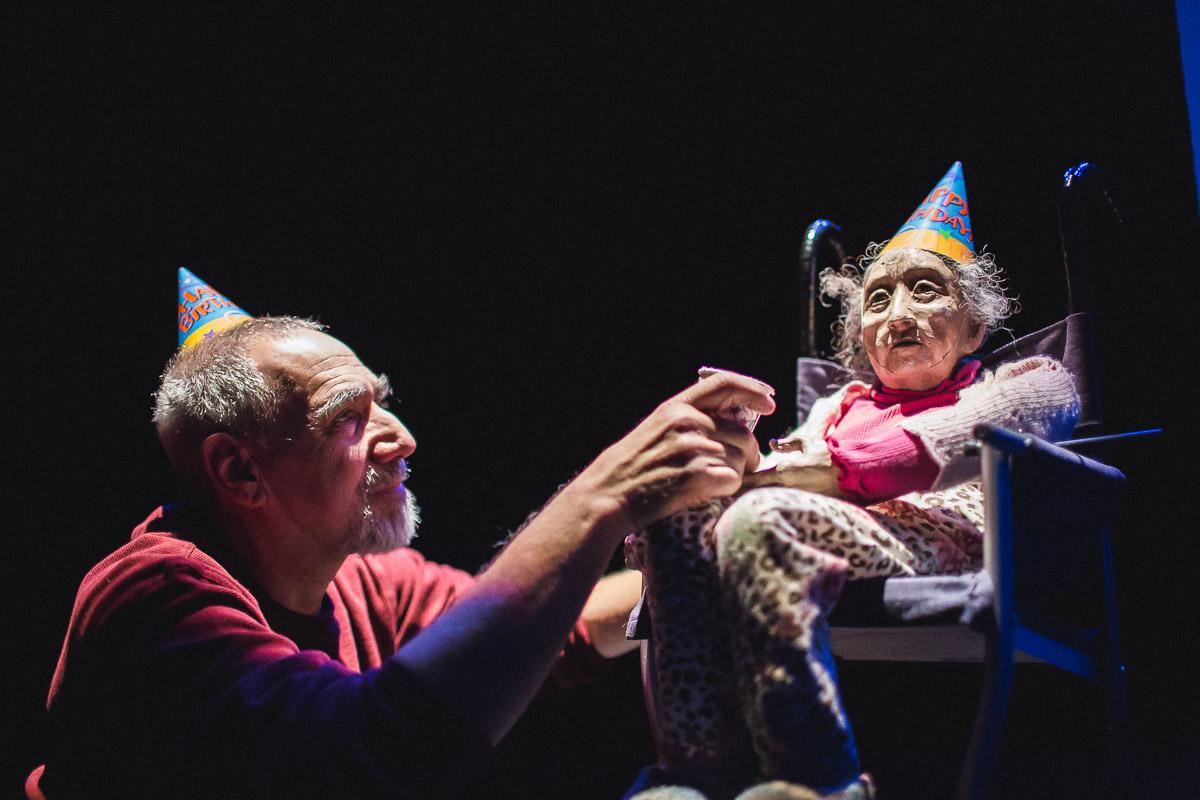
After a successful pilot phase, the National Theater Project provides a critical means of support of artist-led, ensemble, and devised theater work. It does this through direct funding, but the program also cultivates an informed, interactive ecosystem of ensembles, artists, and presenters.
2014
The Rebecca Blunk Fund honors former executive director Rebecca Blunk’s (1953-2014) 29 years of service to NEFA and her abiding passion for the arts. The fund awards annual grants to New England artists. From 2014 to 2025, thanks to support from NEFA’s community, the Fund raises over $160,000 that is awarded to 28 artists living and working in New England.
NEFA merges former directories MatchBook.org and CultureCount into an enhanced, comprehensive directory of New England’s creative enterprises and artists, CreativeGround. The new directory offers visibility to the arts sector and serves as a tool for partners and advocates to make the case for investment in the creative community.
The Native Arts Program transitions to an independent regional consortium, The Northeast Indigenous Arts Alliance. The alliance leverages the work of member organizations to bring resources and visibility to New England’s Native artists with support from private philanthropy. This transition was led by Dawn Spears (Narragansett/Choctaw), former Native Arts program manager at NEFA, and participants, including the Aquinnah Cultural Center (MA), Gedakina (VT, MA, ME), Maine Indian Basketmakers Alliance (ME), Mashantucket Pequot Museum & Research Center (CT), and Tomaquag Indian Museum (RI). NEFA continues to support Native artists through this partnership with the Northeast Indigenous Arts Alliance and our grant programming.
2015
Creative City supports artists of all disciplines to reimagine places for art in Boston, engage public imagination, and inspire community members to share in civic experiences. The learnings from this three-year pilot, with support from the Barr Foundation, inform the development of our current Public Art program offerings.
2016
An evaluation of the first 20 years of the National Dance Project, Moving Dance Forward, reveals that intertwined support for creation and presentation magnifies the impact of grantmaking by incentivizing relationship building and partnerships, fostering a commitment by artists, presenters, and audiences to the ecosystem of dance. Cultural organizations that present dance highlight that the grants enable them to take risks, like bringing new artists and disciplines to their audiences.
2017
Artists, active military personnel, veterans, arts presenters, health care practitioners and funders assemble at the Art in the Service of Understanding: Bridging Artists, Military, Veterans, and Civilian Communities. Held at Emerson College's Paramount Theater in Boston, MA, the convening is inspired by five performance works funded by NTP and NDP that explore art as a powerful force that can play many roles for military communities including healing those affected by the trauma of war, promoting civic and social literacy among the wider population, and creating connection across differences.
The New England Dance Fund supports a range of critical opportunities that will advance choreographers’ careers in dance. With support from the Aliad Fund at the Boston Foundation, the fund awards inaugural grants to 12 artists/choreographers. In 2025, the fund increases the number of grants to 50 recipients. As of 2026, $323,648 has been awarded to dance artists from across the region.
The report, The Jobs in New England's Creative Economy and Why They Matter, shows that New England’s creative economy employs nearly 310,000 people who earn a total of $17 billion per year, New England has a 20% higher prevalence of artists in its employment base compared to the U.S, employment trend data since 2000, the local landscape of creative enterprises, and a survey of artists and creative workers reflecting the realities of work life.
NEFA convenes New England dance cultural organizers (NEDCO) to brainstorm ways to increase connectivity and support for the region’s dance artists. The convening was hosted by Jacob’s Pillow and funded by the Barr Foundation and the Boston Foundation. Plans for RDDI: New England Now emerge from this convening.
2019
The Public Art Learning Fund is born. It awards inaugural grants that support New England-based artists to participate in self-determined professional development opportunities that strengthen their public art practices.
2020
The Newell Flather Award celebrates muralists inspiring more just futures, educators and cultural organizers amplifying the voices and experiences of People of Color, and curators transforming our understanding of what it means to be in public. The award is named after the late Newell Flather (1938-2021) for both his relationship with NEFA since 1993 and his leadership in establishing and championing the Fund for the Arts.
Over $1.9 million is granted to the New England creative community through the New England Arts Resilience Fund, part of the nationwide U.S. Regional Arts Resilience Fund, an initiative of the U.S. Regional Arts Organizations and the Mellon Foundation. The program is created in response to the impact of COVID-19 on our region’s arts infrastructure. The federal CARES Act and the American Rescue Plan from the National Endowment for the Arts fund additional rounds of the program.
New Work New England is a three-year pilot program which provides $7,500-$15,000 grants to New England artists to create and produce new projects intended to share with multiple New England communities. The program supports 34 projects in the first two years of the pilot. The final year of the pilot deepens investment in professional development and visibility for the previous recipients.
With the intersectional complexities of the global pandemic, policing of Black bodies, and the history of stolen land in America, the Public Art team at NEFA reimagines the public art program offerings to inspire more just, vibrant public spaces, including a new grant opportunity, Public Art for Spatial Justice.
2022
NEFA launches an upgraded CreativeGround as its primary data and network building platform. NEFA’s Creative Economy department licenses CreativeGround data on arts/culture nonprofit organizations in New England to Americans for the Arts to support regional partners participating in the Arts & Economic Prosperity 6 study. Today, state and national partners share CreativeGround directories on their own websites via Application Programming Interface (API) and license the data on CreativeGround for advocacy research through a partner portal.
2023
McNeil Creative Enterprises releases an evaluation of the National Theater Project commissioned by NEFA. The evaluation team finds that funding is just one component of the program experience. As a result of NTP, artists are empowered, new and meaningful partnerships emerge, the process informs the production and application support helps artists articulate their work, works are shared in communities they might not otherwise and those communities experience an increase in understanding about the identity and social justice messages of the ensembles, the types of venues presenting theater includes many non-traditional spaces, and more dominant theater norms are challenged.
The U.S. regional arts organizations work together to bring new national grant opportunities to their regions with a shared mission of increased access to the arts for communities who are often underserved. Programs include Jazz Road, ArtsHERE, National Leaders of Color Fellowship, Cultural Sustainability for Arts Organizations Rooted in Communities of Color, and Walking Together: Investing in Folklife in Communities of Color.
2024
The final deadlines for the National Dance Project and National Theater Project, as they currently exist, are announced. NEFA is in ongoing conversations about the future of our national work.
2025
The eighth and final season of Center Stage tours the U.S. Throughout the program’s life span, 47 dance, music, and theatre ensembles from 17 countries: Algeria, Argentina, Armenia, Colombia, Egypt, Ethiopia, Haiti, Indonesia, Morocco, Pakistan, Peru, Philippines, South Africa, Taiwan, Tanzania, Ukraine, and Vietnam travel to 118 communities in 42 states and Washington, DC, to present 450+ performances and more than 960 off stage activities, directly reaching more than 182,000 people across the country.
NEFA unveils a bold new strategic plan that affirms the social impact of the organization’s work leading to this moment, our 50th Anniversary. Shortly after, the organization receives a transformative gift from MacKenzie Scott with plans for a multimillion-dollar investment in regional needs and opportunities and to seed the next iteration of NEFA's national work.
Receive the latest news, grant offerings, and community events.