What's Happening
Stay Connected
Receive the latest news, grant offerings, and community events.
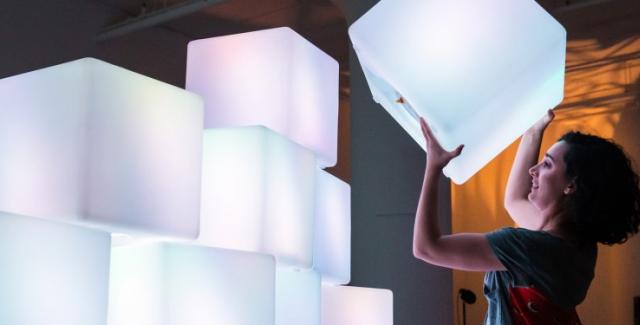
photo by Aram Boghosian
In 2015, NEFA launched the Creative City pilot program in partnership with the Barr Foundation with the intention of offering direct support for artists of all artistic disciplines to reimagine places for art in Boston, engage public imagination, and inspire community members to share in civic experiences. Investing in artists and the creative process has been a core value at NEFA that is fueled by a belief that artists are, and have the ability to be, civic leaders within their communities.
With the continued support of the Barr Foundation, NEFA’s public art program continues to invest in artists and a community of practice that inspires more vibrant public spaces and public life throughout the region.
Ryan Edwards shares the impact of the Creative City grant as a part of The People’s History of NEFA. Join NEFA’s milestone 50th celebration and share your story.
I was an inaugural recipient of the Creative City grant, after applying and being rejected by some other programs, this award was meaningful. Much more than a chunk of money, it was an important affirmation of my path, of my commitment to making the work I knew I needed to make.
This was around 2015, and Boston was just beginning to feel some shifts in how arts funding was being managed, and the Creative City program - a direct to artists grant - was clearly engaging a new sense of our "scene"... I use that word carefully, because it represents, for me, what I think of when we move past scarcity and unhealthy competition between artists for funding. When I see my friends get grants, when I get one occasionally, we feel we are all part of a scene. When someone calls and asks me to collaborate with them and they have BUDGET to do something weird, fun and original, we have a scene. And perhaps most critically, like that first cohort, when a choreographer, a composer, a filmmaker, a puppet troupe, and a coder are sitting around discussing architecture, we have a scene.
Boston at that time, and still, had a lot to do towards equity. I am a white cis male, and I try to understand equity, but of course it is just a try. That said, what I saw in that room at NEFA and at the cohort hangs was a promise of a city rich with ideas, diverse of perspectives, vast in disciplines, and a region stepping up to do the work. I understand the direct-to-artists model is riskier and higher touch, and not what many of our funding agencies were built for. NEFA decided to change that, and it mattered.
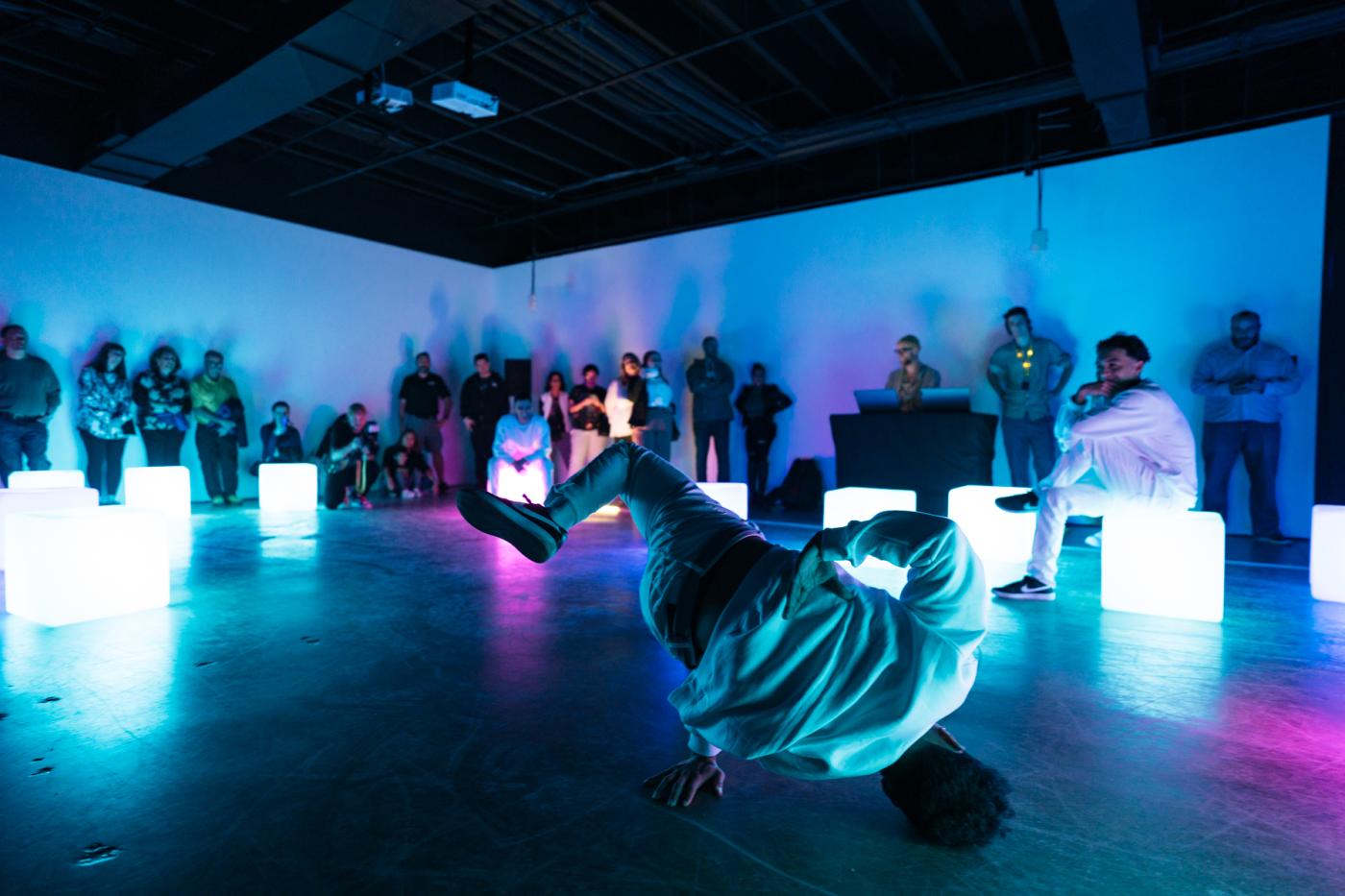
That first $10k grant was the biggest piece of funding I had received. It was in fact the first direct grant I had been awarded. I used that money to hire friends, to buy materials, and to prototype a project I had been dreaming about for years. That project was called Sound Sculpture, a public art sound compositional environment that allows people to collaboratively compose real music in space. That first grant allowed me to develop the idea, prove it was possible, build some materials about the work, and then get another grant (from TBF this time). Between these two grants, I was able to build a project that I could show - and tour. The bones of that project are still in my studio. That piece has shown all over North America, funded itself and was a major generating force for our idea of a studio, which at the time of the Creative City grant was just beginning.
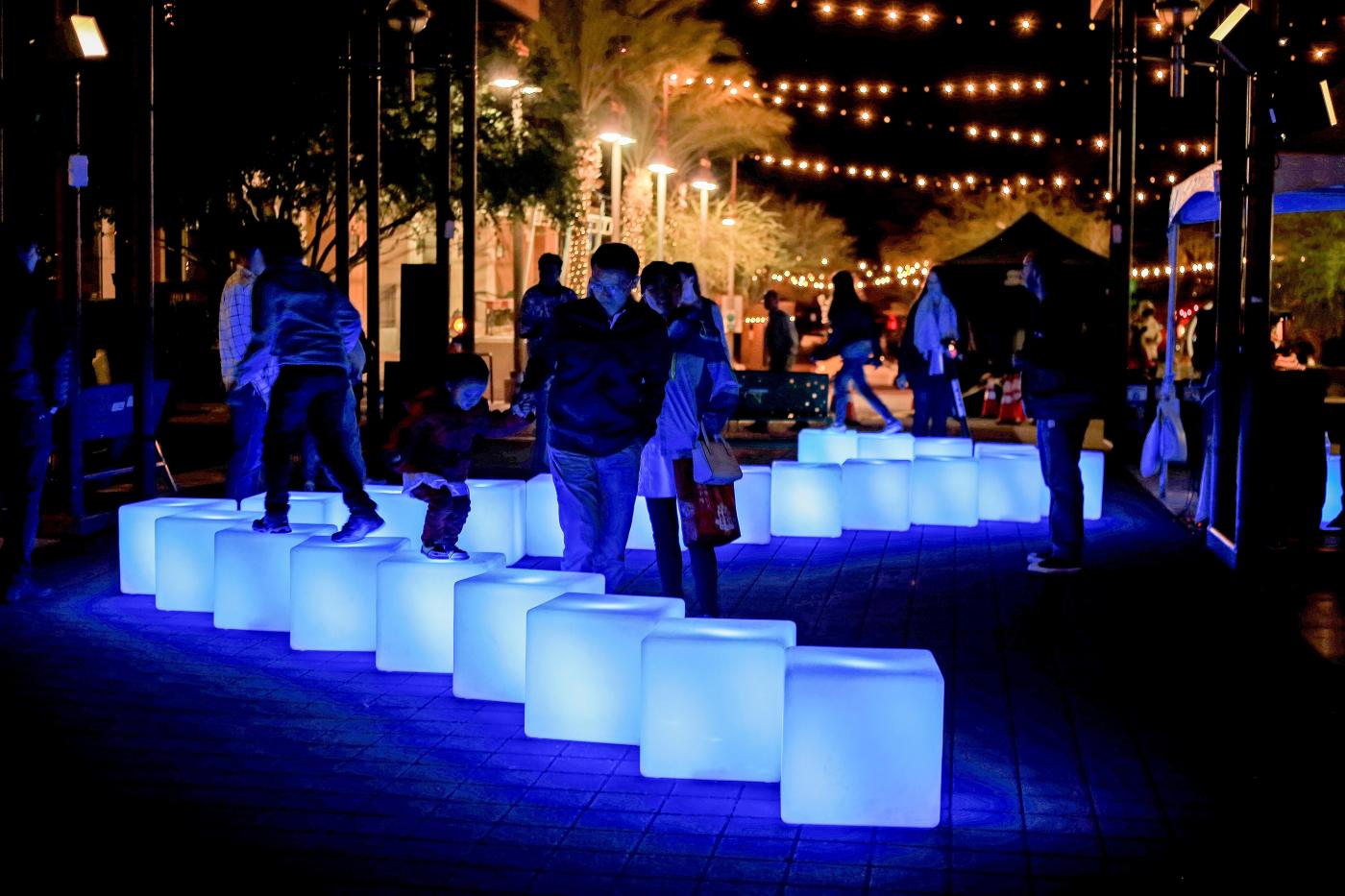
Sound Sculpture, along with the amazing work my co-founders and colleagues were making, set a foundation for our practice, and a model for our growth which endures to this day. Now, we are an established studio with six team members, an amazing list of partner organizations, collaborators and contractors. Most importantly, we have grown into, and in when we can, catalyzed, community around new media art, installations, and performance.
Those who know me and hear my story are probably tired of me sharing this origin story, of Boston turning over new leaves, of funding changing, of NEFA starting the Creative City program and the Boston Foundation starting the LAB grants. But I am proud; I was back then and am now. My colleagues and I at MASARY are waking up every day to hustle for curiosity in this region, to find collaborators and build community, and I can easily say, without exaggeration, that original Creative City grant was beyond transformative. In fact, it was affirmative. I knew what direction I was headed; I just needed the juice to get to the next stage.
Honoring the past is essential to building the future. As we explore NEFA’s archives and reconnect with former directors and staff affectionately known as “NEFAns,” we also invite our valued constituents to share their experiences. How has NEFA supported your artistic vision, your organization, or your community? We warmly invite you to join this milestone celebration by sharing your story, The People's History of NEFA:
Receive the latest news, grant offerings, and community events.