What's Happening
Stay Connected
Receive the latest news, grant offerings, and community events.
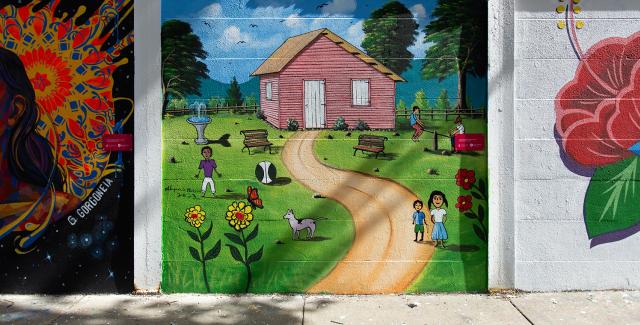
Public Art for Spatial Justice-supported North Shore CDC's A Dream called Home; mural by Atagracia Florium | photo by Y. Guzman, 2024
Presented by Arts Equity Group in partnership with the New England Foundation for the Arts' Public Art Team. Co-authors: Danielle Amodeo, Cidhinnia Torres Campos, Jameson DeNyse, Bulaong Ramiz.
Public art has always existed in complex, contested, and deeply unequal public spaces. Artists working in public navigate layered histories, present-day tensions, and structural constraints, while still finding ways to create connection, affirmation, and possibility. Across Massachusetts, public art practitioners have long demonstrated an ability to respond to these realities, transcend them, and generate ripple effects that extend far beyond a single site, moment, or grant period.
For five years now, the New England Foundation for the Arts (NEFA) has invested in public art rooted in spatial justice, equity, and community partnership. This grantmaking focus area has supported artists, organizers, and institutions working at multiple scales, from temporary interventions and temporal experiences to long-term, place-based projects embedded in local contexts. Together, this body of work reflects a field that is actively shaping how people experience place, history, and belonging.
In Summer 2025, NEFA partnered with Arts Equity Group (AEG) to lead a multi-year Public Art impact assessment. AEG brings a field-informed, research-driven, and relational approach to this work, bridging institutional strategy with lived artistic and community practice. This assessment begins with a shared understanding: public art is transformative.
Our goal is not to determine whether public art creates change, but to better understand how that change shows up, who is impacted, and how NEFA can continue to support and strengthen this social impact work over time.
This blog marks the first public update of an ongoing series. It is offered in the spirit of transparency and shared learning, which we hope will create space for continued conversation.

An impact assessment is a structured way of understanding and telling the story of change. For NEFA’s Public Art program, this means asking questions such as:
This work moves beyond traditional metrics alone. While quantitative data is important, it rarely captures the nonlinear, relational, and long-term dimensions of public art practice. NEFA’s impact assessment is grounded in a values-based methodology that centers people, place, and lived experience.
Key principles guiding this work include:
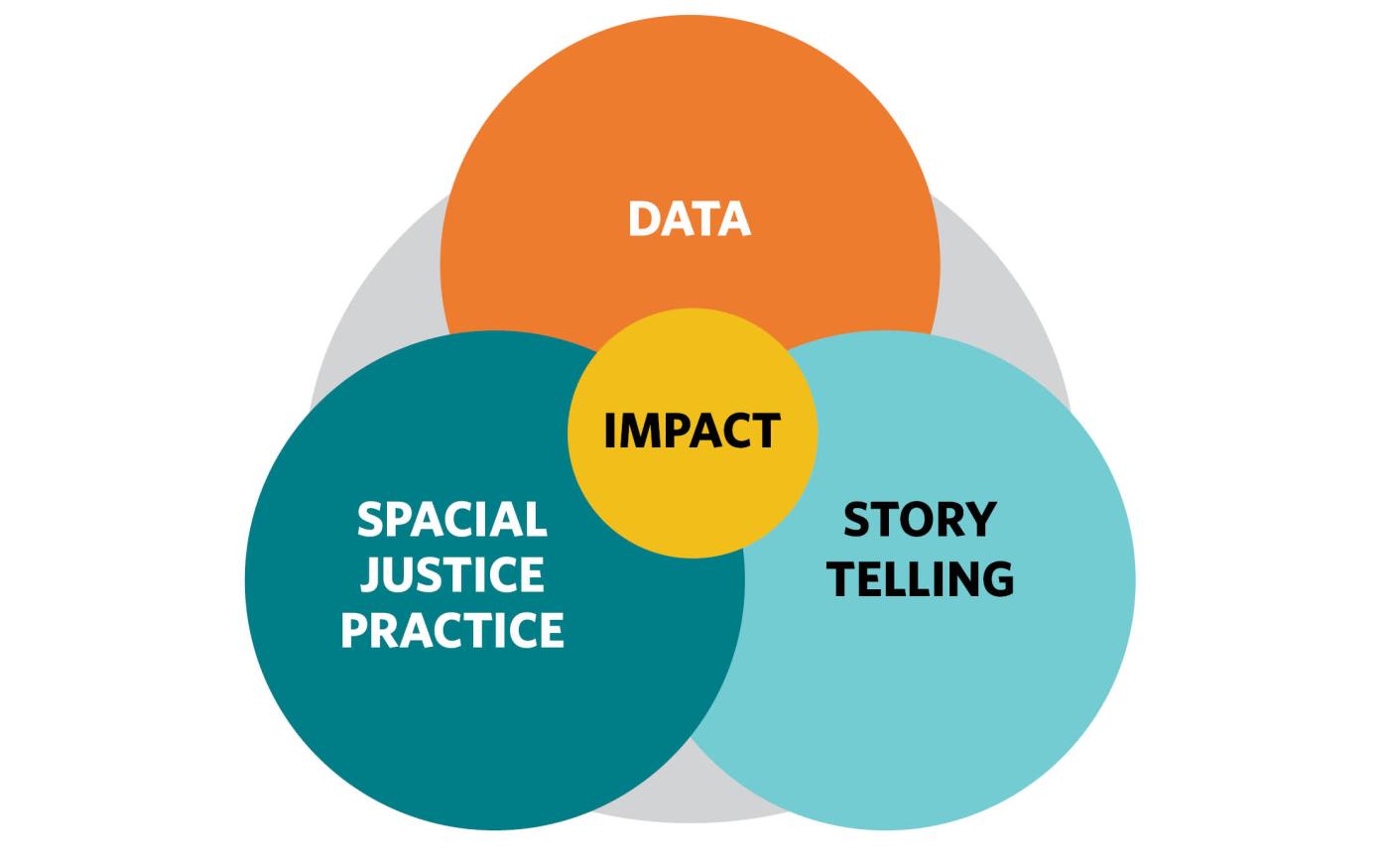
NEFA already has some meaningful mechanisms in place to understand the value of public art, most notably through grantee reporting. Rather than introducing a new framework disconnected from existing practice, this assessment began by closely engaging with the information artists and organizations have already shared.
Over the past several months, our team conducted a comprehensive review of 235 grantee reports from NEFA's public art programs over the last five years, including:
Reading these reports collectively allowed us to look across projects and programs to identify recurring themes, shared challenges, and common forms of impact.
This approach honors the labor embedded in reporting and positions artists’ reflections as a primary source of knowledge. By identifying these threads of connection, we’ve also been able to uncover shared impacts. This assessment allows NEFA to understand the outcome of its public art grantmaking over time, across programs, and also as part of a broader ecosystem of practice and change.
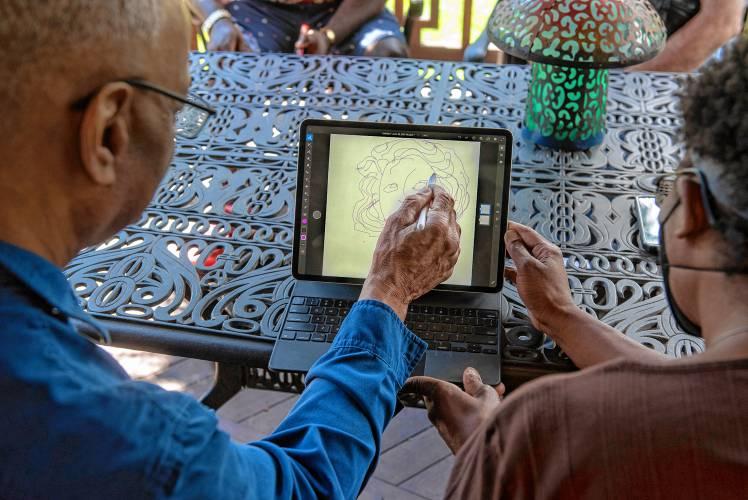
The Public Art Impact Assessment launched in summer 2025.
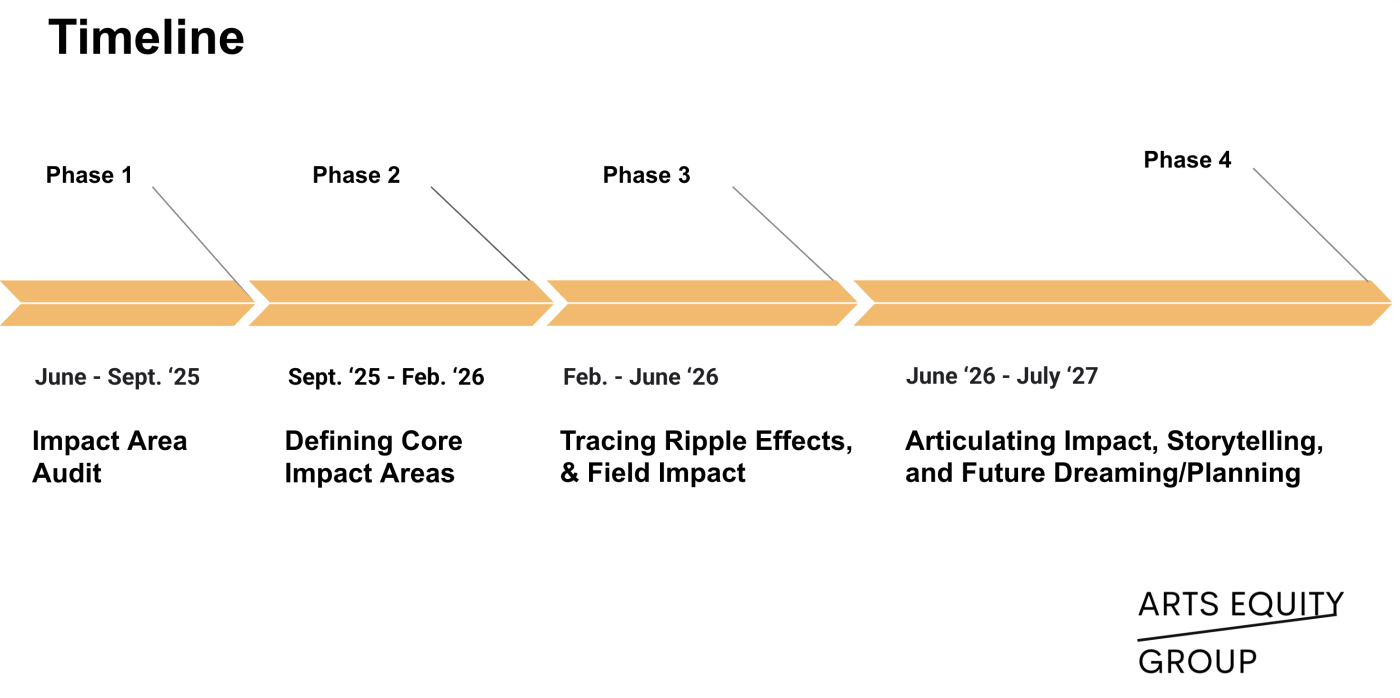
So far, our work has included:
A group of artists, practitioners, and field leaders who serve as trusted thought partners, helping to ground the work, hold accountability, and ensure relevance to the field. See below for a list of our impact advisors.
When Team Public Art launched its spatial justice grants in 2020, they had hopes, expectations, and hypotheses about what value this type of grantmaking might bring. We call this framework a Theory of Change, and it articulates how NEFA’s public art investments contribute to change over time.
Rather than testing these hypotheses against the field, we are observing how these dynamics already show up across practice, relationships, and outcomes.
We have begun mapping where NEFA public art dollars have flowed across New England using geospatial software that helps us create, manage, analyze, and plot geographic data. You can see this in one of our preliminary maps below:
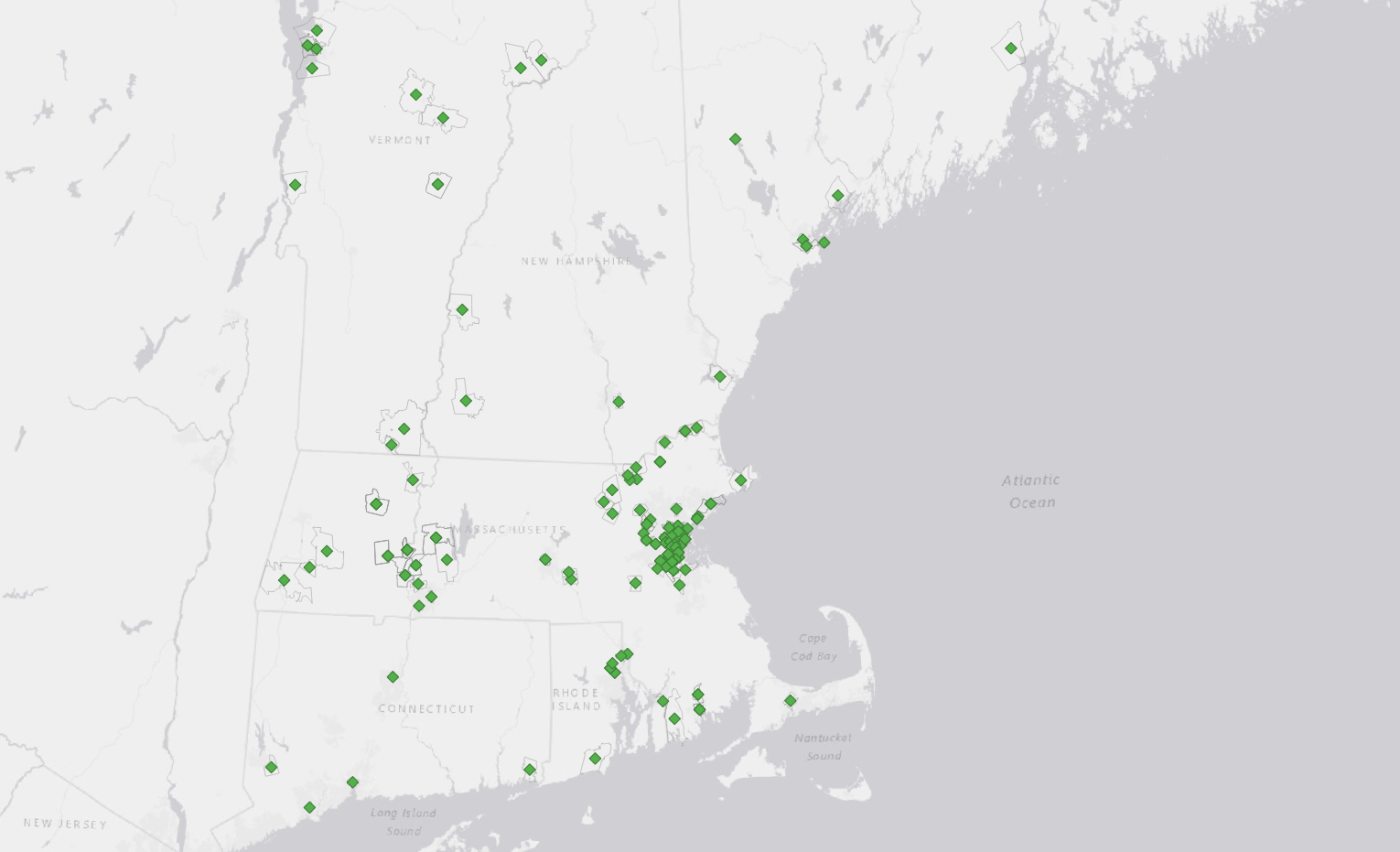
This map shows the geographic distribution of NEFA public art funding across New England. Our mapping work will continue to evolve as the assessment progresses, and we’ll overlay contextual data to better understand the reach and ripple effects of NEFA’s grantmaking.
We’re currently working on developing additional ways to hear from YOU - the field of public art making. Participate in our grant recipient survey, below; this survey will help us to gather additional perspectives and experiences, and later this winter, we’ll be facilitating small group and one-on-one conversations to better trace the impacts of public art making grantees.
Complete the public art Survey
In the coming months, the assessment will continue through a combination of qualitative and quantitative methods, including:
Distribution of the grantee and applicant survey (January 2026)
Together, these steps will help NEFA better understand how public art creates value across communities and how future grantmaking can continue to support artists navigating complex public realities with care, creativity, and impact.
This impact assessment is a shared learning process. It is rooted in the work artists and communities have already been doing for many years, often under challenging conditions, and it seeks to make those contributions more visible, legible, and supported.
We invite you to stay engaged as this work continues:
We look forward to continuing this learning alongside the field and to sharing what emerges in the months ahead.
Receive the latest news, grant offerings, and community events.