
What's Happening
Stay Connected
Receive the latest news, grant offerings, and community events.

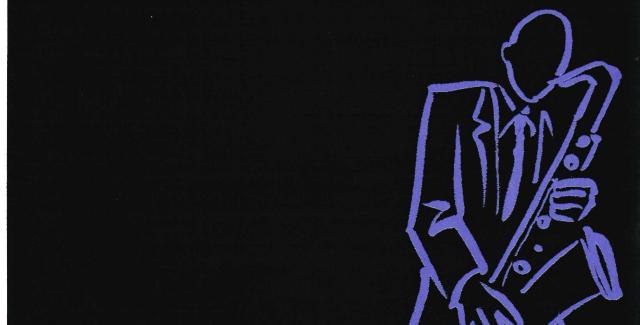
from a National Jazz Network pamphlet, circa 1997
A landmark initiative, the Lila Wallace-Readers’ Digest National Jazz Network supported jazz artists, expanded audiences, and funded jazz presenters from 1991 to 1998. The model – and the success - of this program relied on the strength of the collaboration among the key partners.
In 1989, NEFA executive director Holly Sidford met frequently with Jessica Chao of the Lila Wallace-Reader’s Digest Fund (LWRDF, now Wallace) and Willard Jenkins, executive director of the National Jazz Service Organization (NJSO), to explore what a national jazz initiative could entail. These conversations led to a national feasibility study, funded by LWRDF, comprised of meetings with jazz artists and presenters in eight cities across the country to better understand the needs of the field. This study revealed that while jazz – an American art form – was celebrated in other countries, there was little infrastructure for artists and presenters in the U.S. and millions of Americans were not exposed to the art form. This feasibility study created the roadmap by which NEFA and Willard Jenkins would create the architecture for the National Jazz Network.
“Wallace’s arts funding budget had grown, and the board was interested in making a significant and vital investment – deeply and broadly – in the arts,” said Jessica Chao, who served as Wallace’s program director and then vice president during the program. “As partners, NEFA brought the depth and the NJSO brought the breadth essential for designing and producing the National Jazz Network.”
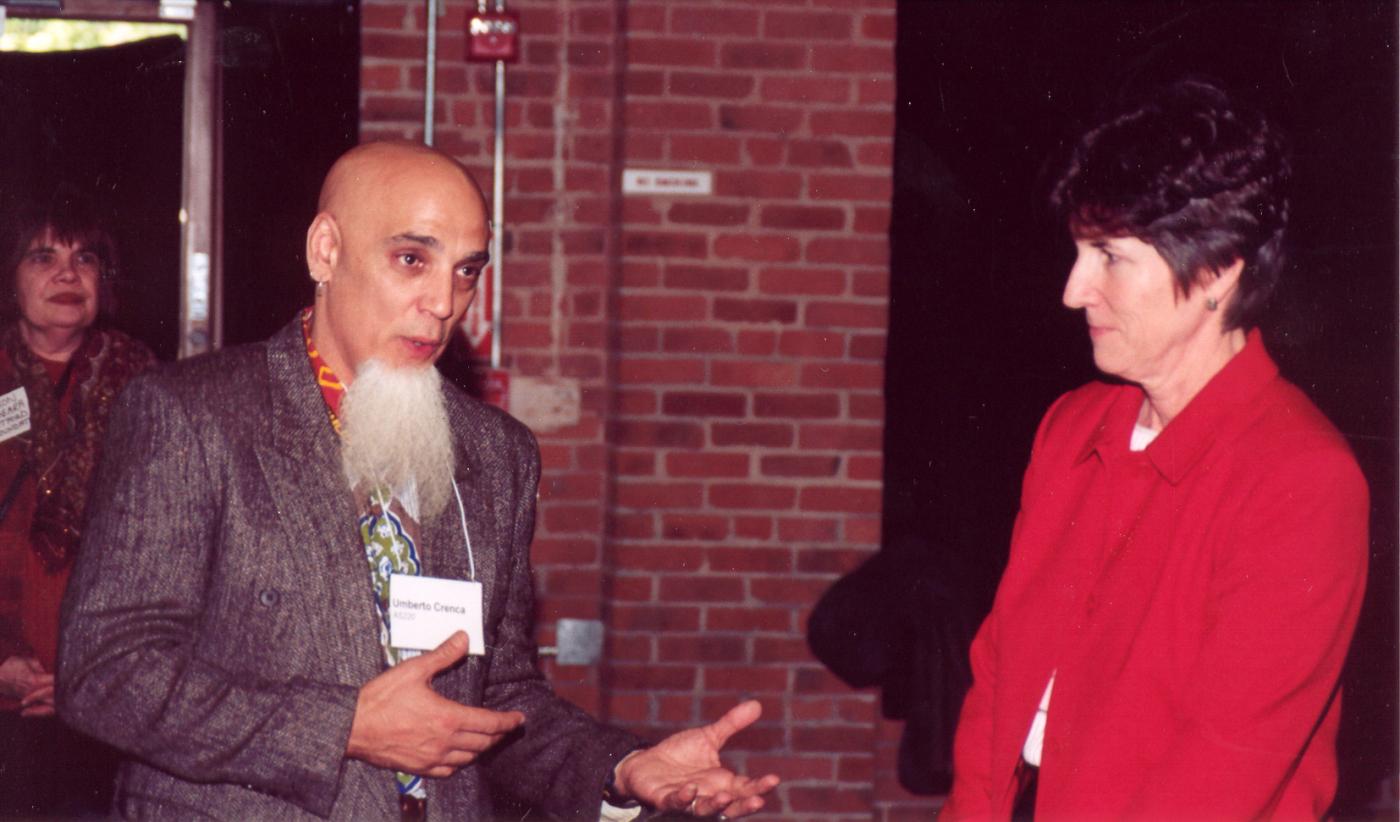
Two years later, the Lila Wallace-Reader’s Digest Fund awarded NEFA and the NJSO a three-year, $3.4 million grant to direct the Lila Wallace Reader’s Digest National Jazz Network. This partnership between the NJSO and the RAOs combined the breadth of a national scope with the depth of local knowledge. Nationally, the program was run by Willard Jenkins and NEFA program manager Stephanie Ancona; an annual meeting of the network ensured cross-regional reach. Regionally, each RAO had a jazz coordinator to build connections with the jazz community; this element was critical to ensuring the program’s reach, particularly given the priority of the NJN to reach smaller, lesser-known presenters.
“We wanted to elevate the importance of this essential American art form and to support committed jazz presenters who are such important gateways to public engagement,” said Holly Sidford. “Willard was nationally known and highly respected and was critically important in helping us navigate the field. Stephanie talked on a daily basis with artists and presenters, constantly making new connections, and ensuring that the program genuinely boosted opportunities for musicians, audiences, and presenters.”
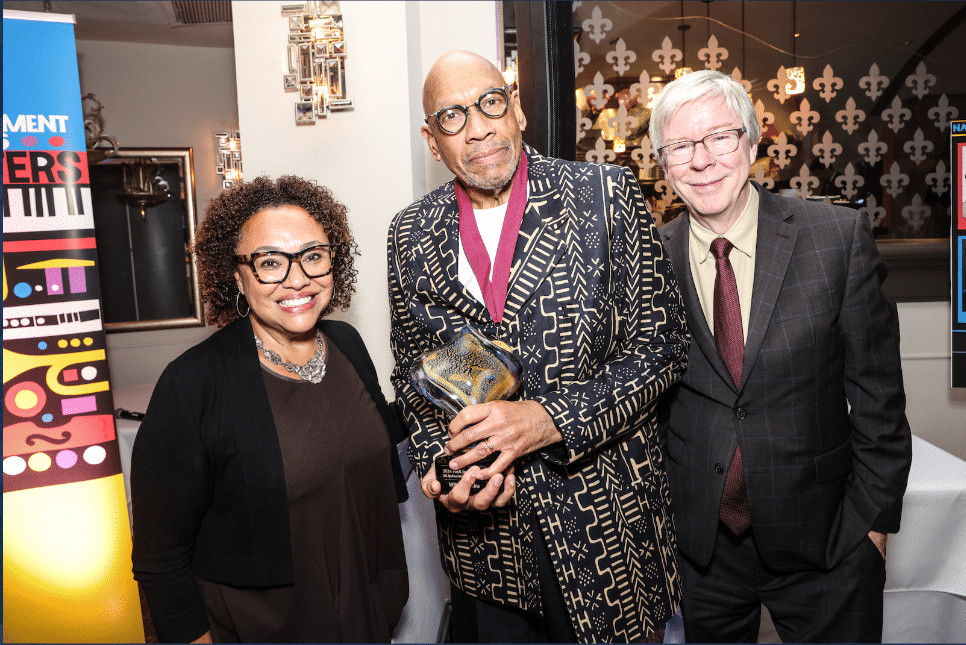
"The National Jazz Network was a groundbreaking project; it created a replicable template that included presenters as key partners in serving jazz artists, opening up lines of communication and connecting presenters as partners rather than competitors. NEFA’s commitment to the project was incredibly high, and I am grateful for the partnership with Holly, Rebecca (Blunk) and Stephanie. This work was a high point in my career and I’m proud of what we created together.” Jenkins credits his work on the National Jazz Network as a contributor to his recognition by the National Endowment for the Arts’ A.B. Spellman NEA Jazz Master award in 2024.
In its first three years, the Network supported 8,714 artists in 1,123 performances, reaching 1.6 million people through 16 identified network sites/presenters. A $5.1 million grant from the Fund extended the program for three more years and added four more network sites, with grants for all 20 sites ranging from $33,000 to $56,500. The program supported 16,579 jazz artists through 2,762 performances, residencies, and other activities, reaching over 2.3 million audience members. In 1996, the L.A. Times reported that the National Jazz Network was the largest funded music program within the LWRDF music portfolio.
“Our goals included raising the profiles of established and early career jazz artists and connecting them with U.S. audiences. Jazz is a truly American artform, rooted in the Black experience, and has struggled to be supported in the U.S., compared to Europe. The Network created many ways to celebrate this jewel of American culture in a variety of communities – including rural communities – across the country. The program design enabled artists to meet audiences where they are: from performances and workshops in jazz clubs, but also in grange halls, school gyms, and town libraries, as well as through radio programming, to grow American audiences,” shared Stephanie Ancona. “This pioneering program was a milestone of my time at NEFA, and it was an honor to work with and learn from Willard.”
One of the original 15 network sites (five more were added with the second Wallace grant) shared how NJN participation impacted their work. “Participation in the National Jazz Network was absolutely pivotal for the Earshot Jazz organization,” said John Gilbreath, Earshot’s executive director from 1991 to 2025. “Though we were a relatively small presenter when we were selected as a network site, the recognition and financial support helped us grow into a world-class festival organization with more 3,000 concerts so far.” The annual convening of the peer network sites was a key complement to the program design. “It always felt like we belonged! We even hosted the network here in Seattle, where we were able to showcase western states’ jazz artists. For us, the NJN epitomized the positive potential of collaboration within the field, bringing together a wide range of presenters who were then able to work together creatively.”
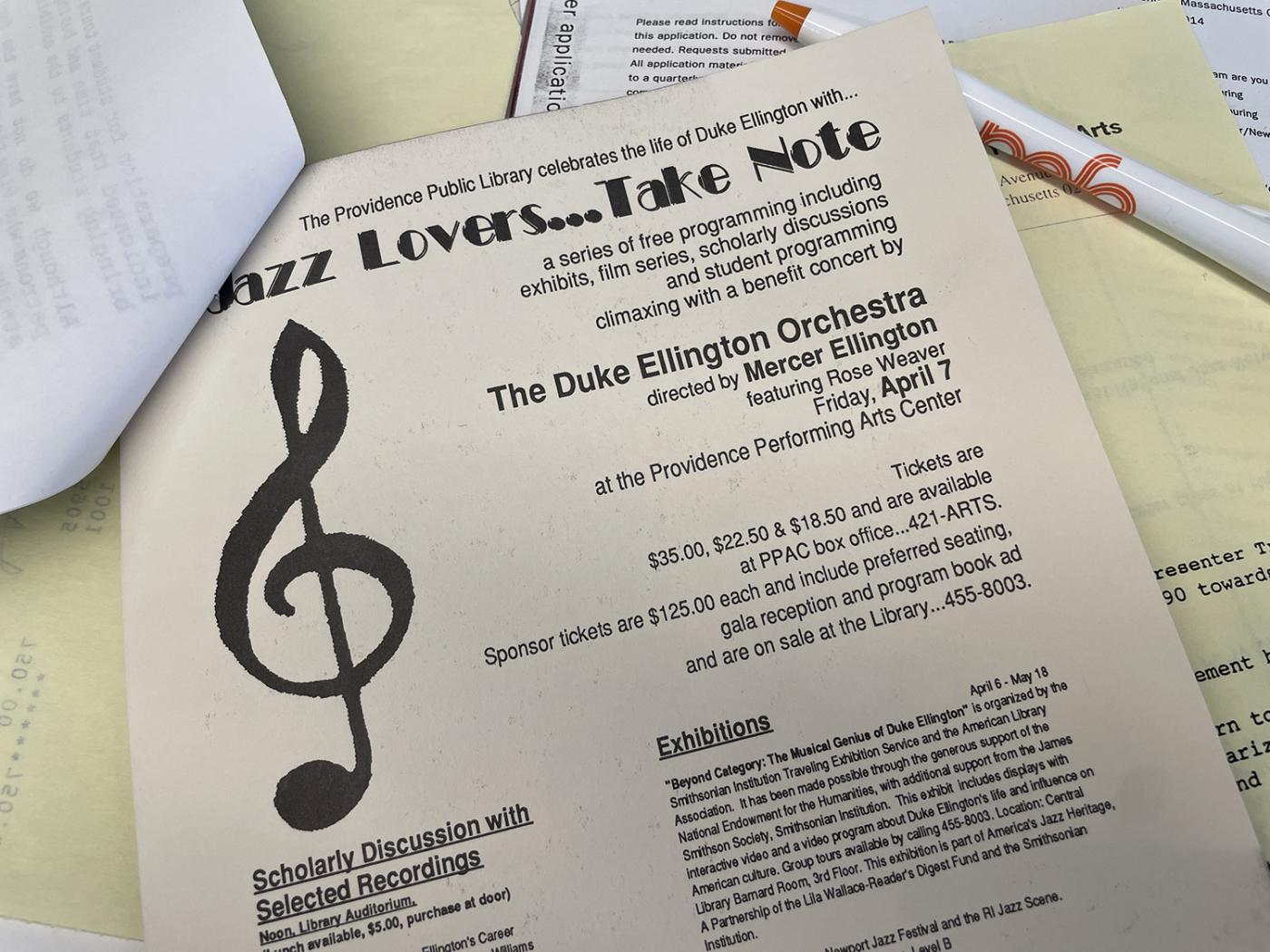
NEFA’s regional program, Jazz/New England (NJE), was also overseen by Stephanie Ancona together with Kevin Ball as program coordinator. The team convened a Jazz/New England advisory committee comprised of musicians, jazz presenters, radio programmers, and scholars to advise on engaging with the field. JNE offered touring grants, commissions, conferences, and an annual Achievement in Jazz award of $2,000 in unrestricted support. The program also built audiences and connected with the broader community through a collaboration with a WGBH radio program, Jazz Portraits, hosted by Steve Schwartz. Jazz Portraits’ 30-minute episodes featured conversations and music from a number of New England artists; many of the recordings are archived at the Institute of Jazz Studies at Rutgers University. A few examples of NJE support include:
Though the program concluded in the late 1990s, the relationships that were formed did not. “Collaboration is in NEFA’s DNA,” said Holly Sidford. “You’re only as strong and as smart as your partners - and our partners were exceptional, and critical to the program’s success. We had energy and ideas but by partnering with artists and presenters, other RAOs, advocates, and funders, we improved those ideas and make bigger impacts on the systems we were trying to change."
The National Jazz Network served as one of the blueprints for future national collaborations, particularly among the regional arts organizations. Recent examples of RAO collaborations include GPS for the Arts: Recommitting America to International Cultural Exchange (2009), awarding Arts Resilience grants as part of the United States Arts Resilience Fund (2021), awarding ArtsHERE grants (2024), Cultural Sustainability awards (2025), and, most recently, Walking Together grants (2026).
Receive the latest news, grant offerings, and community events.