What's Happening
Stay Connected
Receive the latest news, grant offerings, and community events.
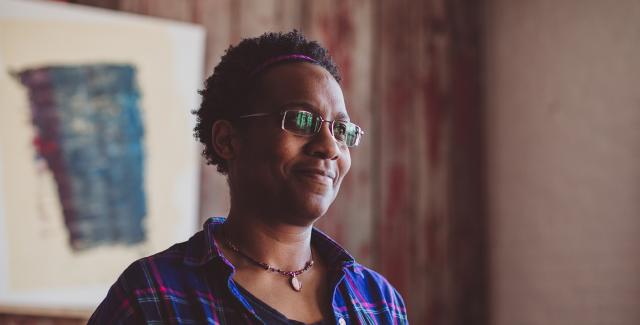
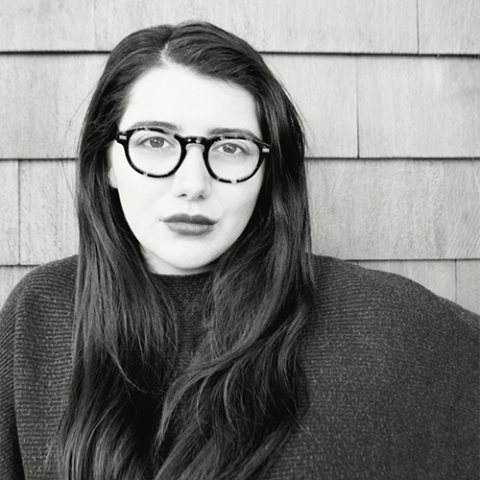
Chelvanaya Gabriel | photo by Paula Champagne
In the Artist Voices series, NEFA connects with grantees to learn more about the impact of the grant on their work. Chelvanaya Gabriel (they/them) is a multidisciplinary artist, facilitator, and community builder based in Western Massachusetts. Over the past several years, Chelvanaya has received a Public Art Learning Fund (PALF) grant and a Public Art for Spatial Justice (PASJ) grant, and participated in two Collective Imagination for Spatial Justice (CISJ) grants — moving through nearly the full arc of NEFA's public art programming. In this conversation, we trace that journey and the many ripples it has set in motion.
Danielle Amodeo (DA): Let's start at the beginning. You received your first NEFA grant through the Public Art Learning Fund. What were you hoping to get out of that experience?
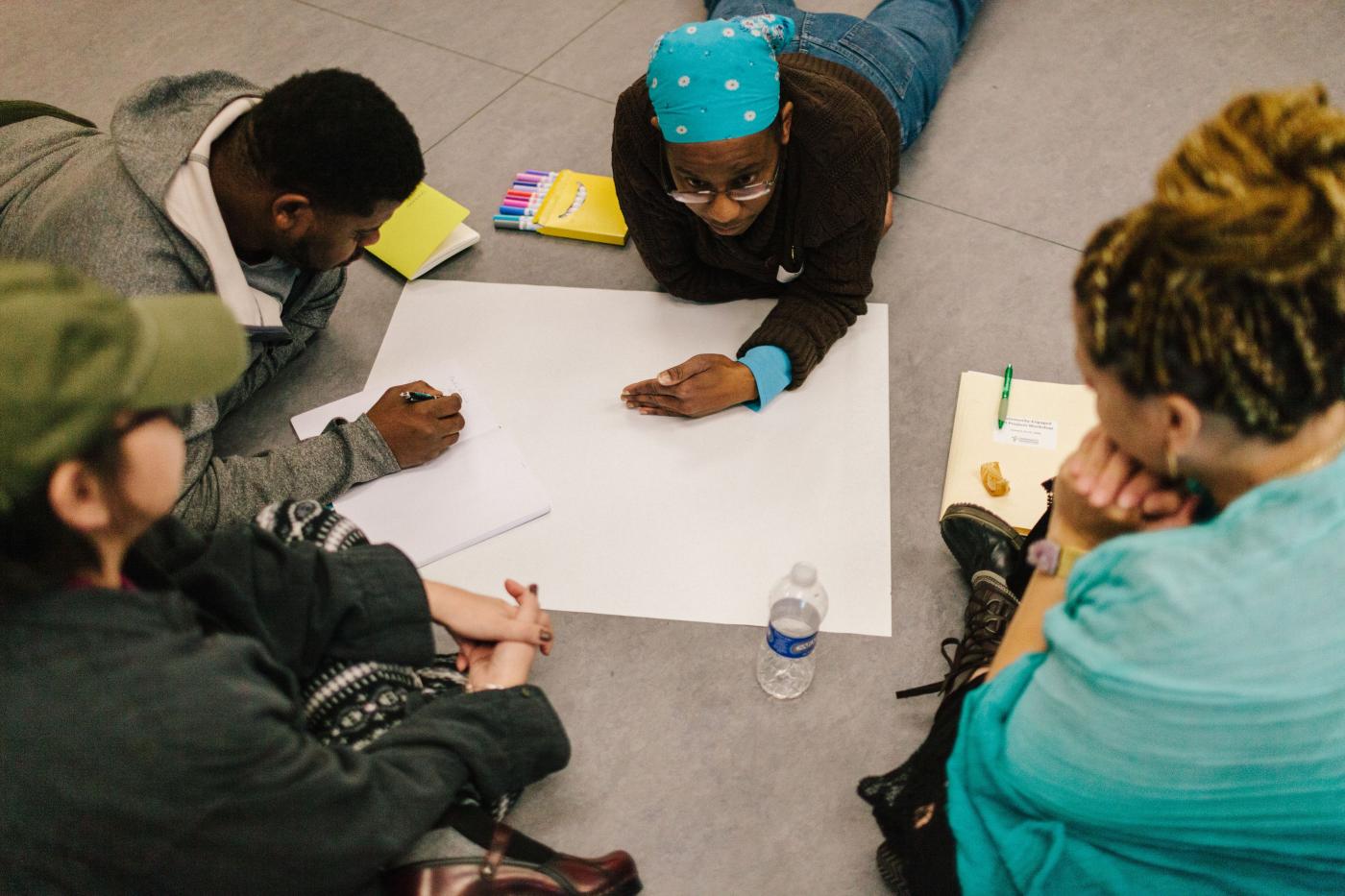
Chelvanaya Gabriel (CG): I was at a moment in my practice where I knew something needed to shift, but I didn't quite have the language for it yet. I do so many different things — visual art, facilitation, embodied social justice work, community building — and I kept being asked to check a single box: which medium do you work in? And my answer was never going to fit in one box. So part of what I was hoping to do through the PALF was work more closely with my mentor, Dr. Diana Alvarez — a singer, songwriter, educator, and scholar whose clarity about what it means to make art in and for community has always felt expansive to me. PALF gave me the ability to dedicate real time and resources to learn and grow through that mentorship.
DA: What did that experience unlock for you?
CG: Everything. I think I had already started to understand that what I was doing was public art — that working in community, making something accessible to whoever passes by, is public art. Diana confirmed that and helped me push it further. We worked through the underlying principles: why am I doing this, who is it for, what lineages is this practice connected to? And through that, I started to find language for something I'd always been doing but couldn't quite name — creating portals of abundant possibility, spaces of co-creation, collective healing, and connection across time.
The process gave me a kind of container and a framework that said, yes, all of these lanes are yours. You don't have to choose. Take up space. What the PALF gave me wasn't just funding – I mean the funding was great, don’t get me wrong. But it also gave me confidence, validation, and momentum. That same year, I applied for and received a PASJ grant and collaborated with 3 other artists on a CISJ grant. I really think those wouldn't have happened without PALF – and the learning I did during my PALF – as a foundation.
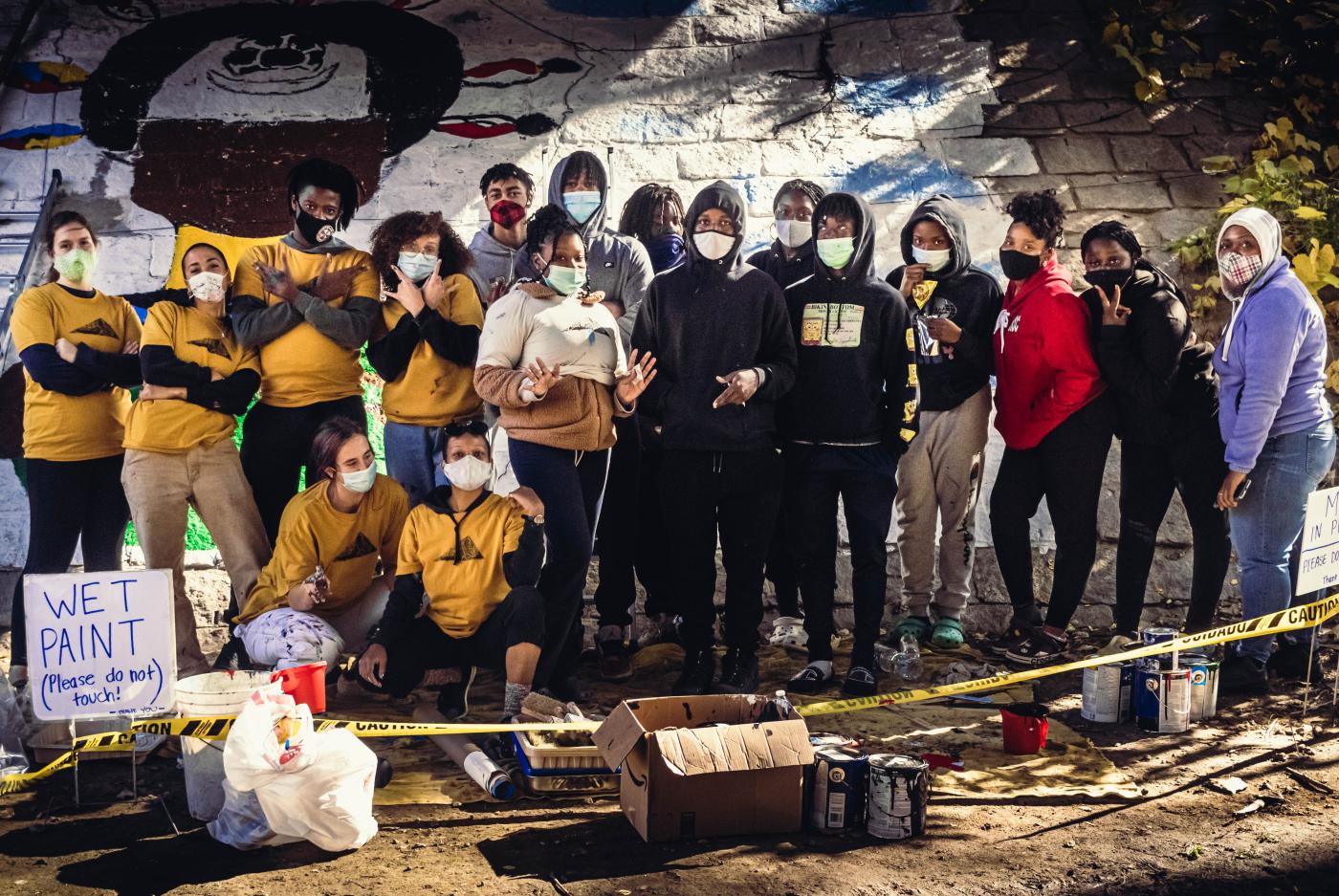
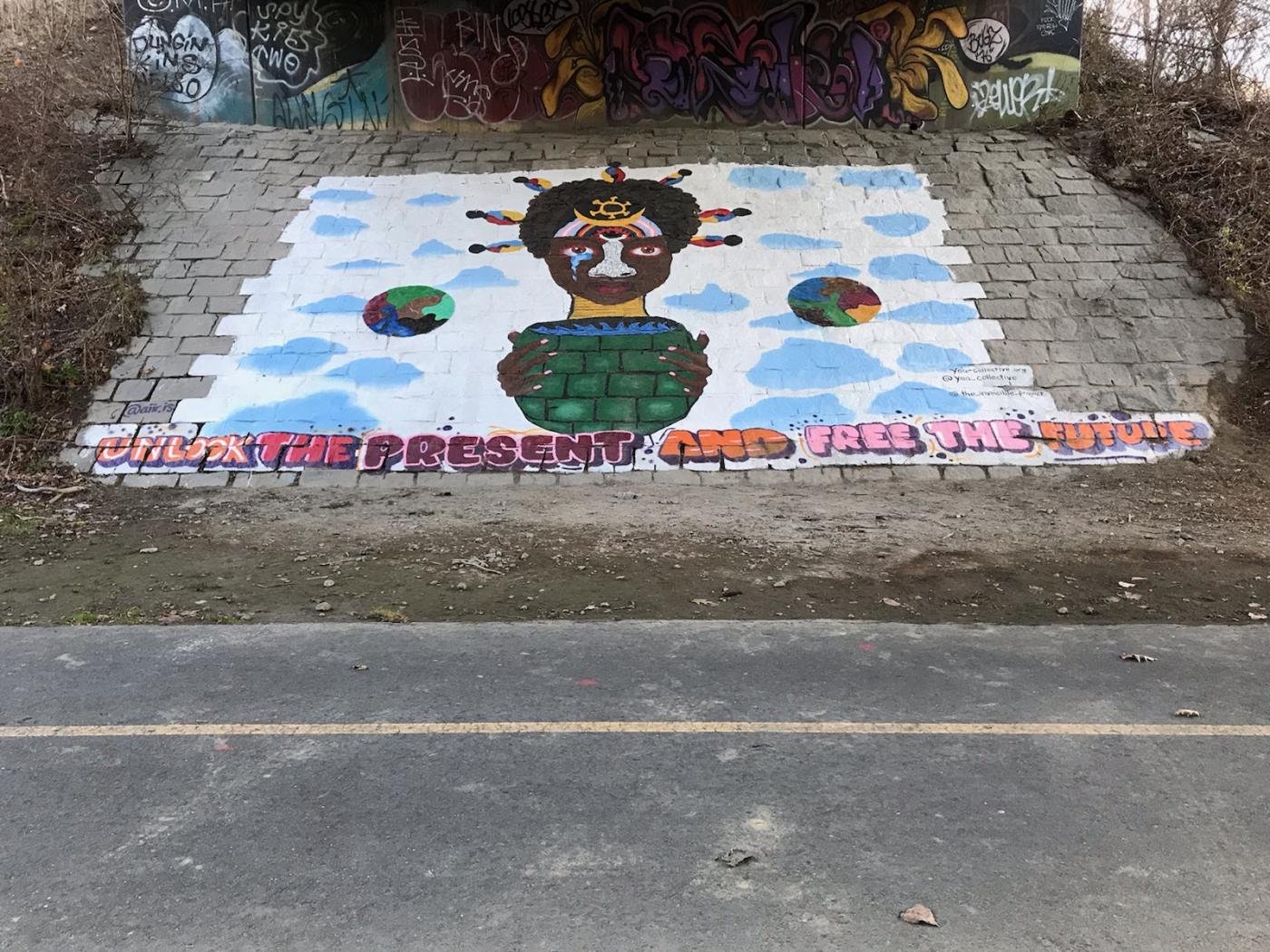
DA: Let's talk about the PASJ project, the Free Our Futures mural on the Northampton rail trail, created with the Youth Empowerment Arts Collective and youth from Springfield. That was your first mural. What was that experience like?
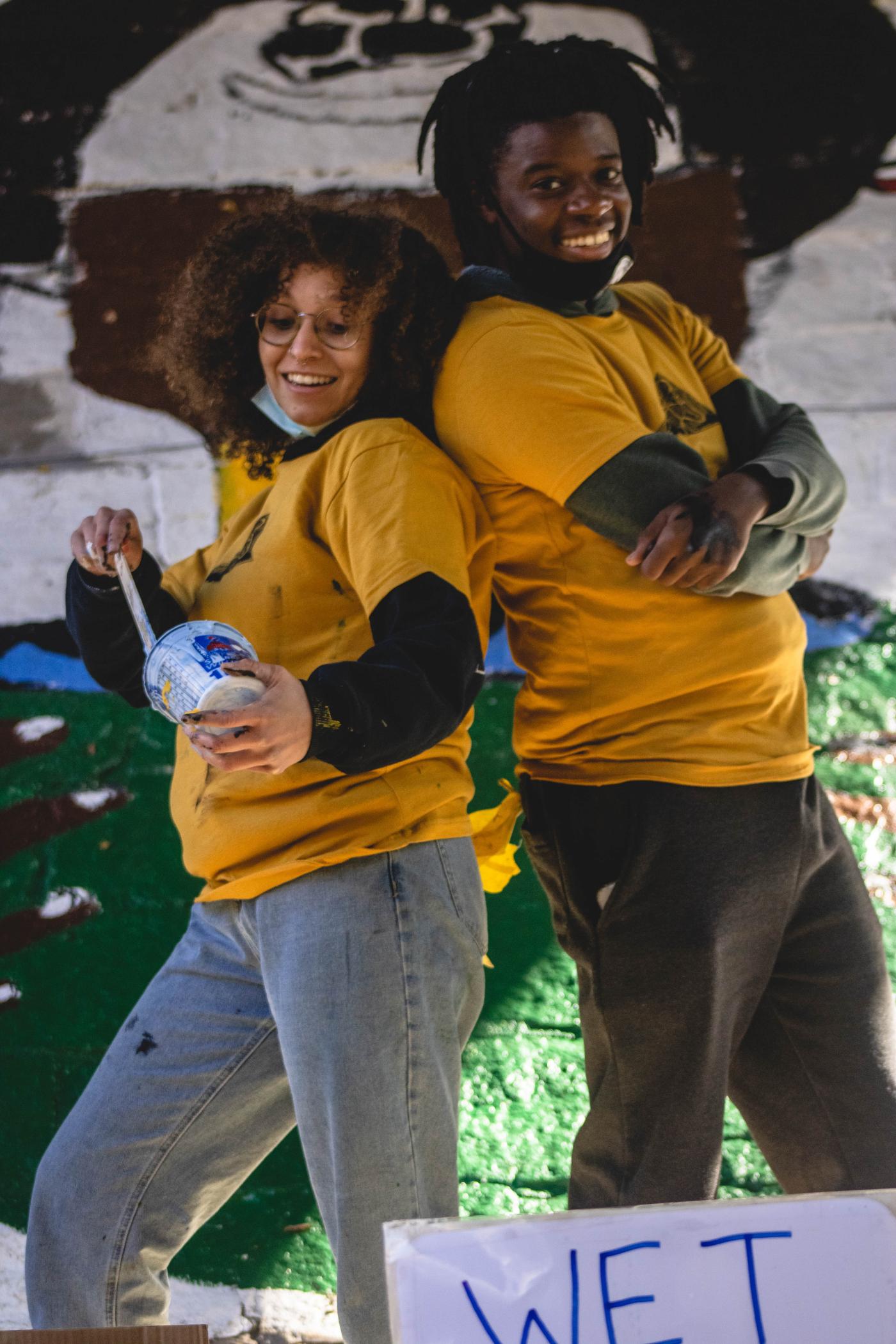
CG: It was a first in so many ways. First mural, first time working with a group that size, first time really feeling the weight of what public art can do. We worked with youth from Springfield — at-risk teenagers who wouldn't normally just show up in Northampton. That was completely intentional. We wanted to name the cultural divide and try to bridge it, even temporarily. We held workshops before a single drop of paint went down. We trained the youth to facilitate their own community engagement when the mural went up. And watching them do that — watching them hold space and lead — was just stunning. They knew exactly who they were. There was a sureness to them that honestly filled me with hope. And that also pushed me. It made the whole thing feel less abstract. It wasn't just a mural anymore. I kept thinking: we're opening up possibilities here.
DA: The mural is still there. Does it still impact you?
CG: It does. Every time I see any mural now, I feel something specific — a recognition of the power that's in them. The fact that ours is still there, that it's physical and permanent and was made by that particular group of people in that particular moment in 2020, right in the middle of grief and uprising and COVID — that still means something to me. At the time, I was honestly starting to feel disconnected from the possibilities of this work. There was, and still is, so much collective grief. And this project came along and said: no, the work is more necessary than ever.
DA: What were some of the ripple effects that you may not have anticipated from that project?
CG: Some of the impacts I only learned later — like the advocacy our extended team had to do just to get us access to that underpass. It was state land. The city had to go to the DOT. People had to write letters and make the case. I didn't know any of that was happening while we were painting. And what I love about that is that it means the project forced an institutional muscle to flex that hadn't been used in that way before. That's a ripple that has nothing to do with the mural itself and everything to do with what it demanded.
On a more personal level, working with those youth changed the way I facilitate. It led me to develop new workshops, including one I now hold on embodied social oppression — really asking people to visually express (in a non-verbal way) how systemic forces live in the body. That workshop has gone into colleges, community organizations, and even a virtual conference in Brazil. So a youth empowerment mural in Northampton becomes a workshop that crosses an ocean. That's what ripples do.
DA: You've also done significant work around disability justice and accessibility. Can you talk about how that thread weaves through all of this?
CG: It's always been there. I think when you're creating space for BIPOC communities, for queer and trans folks, for neurodivergent people, for disabled folks — and those are my communities, personally — accessibility isn't an add-on. It's the whole point.
During the mural project, there were real tensions around how to make the space as safe as possible for everyone involved, especially during COVID. Some of those conversations were hard. But they clarified something for me: if there's resistance to accessibility, that just means we need to keep doing this work more, not less. And it has to be built in from the beginning, not retrofitted at the end.
DA: Where are you now, and where is your work going?
CG: I've arrived at what I'd call a more expansive place of becoming. I'm now a full-time artist and facilitator — which is itself the biggest ripple of all of this, honestly. The grants funded my projects, yes. But, they also gave me the evidence, over time, that this work has value. That I have value. And they gave me a community of practice I didn't know I was looking for.
Now, I want to go bigger. More performing arts, more collaboration, larger installations. I'm also doing deeper work around ancestral connection through my art — learning how to bring that into the practice in new ways. And I'm working to build rest into everything. For myself and for the artists I work with. That feels just as important as the making.
Chelvanaya Gabriel's work spans visual art, facilitation, and community building. Learn more at www.artsequitygroup.com/gabriel-bio.
Public Art Learning Fund provides grants of $500 to $3,000 to support professional development opportunities for New England artists to strengthen their public art practices. The application is open now through October 13, 2026.
Public Art for Spatial Justice aims to support public artmaking that helps us see, feel, experience, and imagine spatial justice now. The application is open now through December 1, 2026.
Receive the latest news, grant offerings, and community events.