What's Happening
Stay Connected
Receive the latest news, grant offerings, and community events.
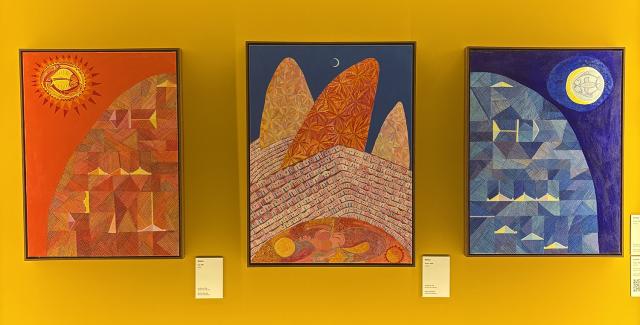
Babalu's "Morning, Day, Night" in the exhibition, "Unclassifiable," the National Museum of Afro-Brazilian Culture (MUNCAB)
Michelle received a Public Art Learning Fund grant in 2025 to pursue a self-directed residency in Salvador, Bahia, Brazil, focused on Afro-Brazilian ritual arts, material culture, and community aesthetics.
When aesthetic styles and vocabularies don’t exist in a hierarchy, there is a lot more that can be truly seen and appreciated across all of material culture. The explosive abundance of art in Salvador, Brazil—trash sculptures in every square, mosaic murals, monumental sculptures in the streets, on the water, and in churches, art in museums, galleries, even on the beaches—is evidence that this is true.
Far more than any training or tour I could take, existing in Salvador was the immersion I needed to crystalize two core concepts that drive both my art-making and my community teaching: maintaining a stance of non-judgment that invites a variety of approaches and aesthetic outcomes; and inviting a syncretic approach to creative thinking, where heterogeneous ideas can co-exist equally without the restrictions of a white supremacist or colonialist gaze. All of human culture and meaning-making methods are invited to the party.
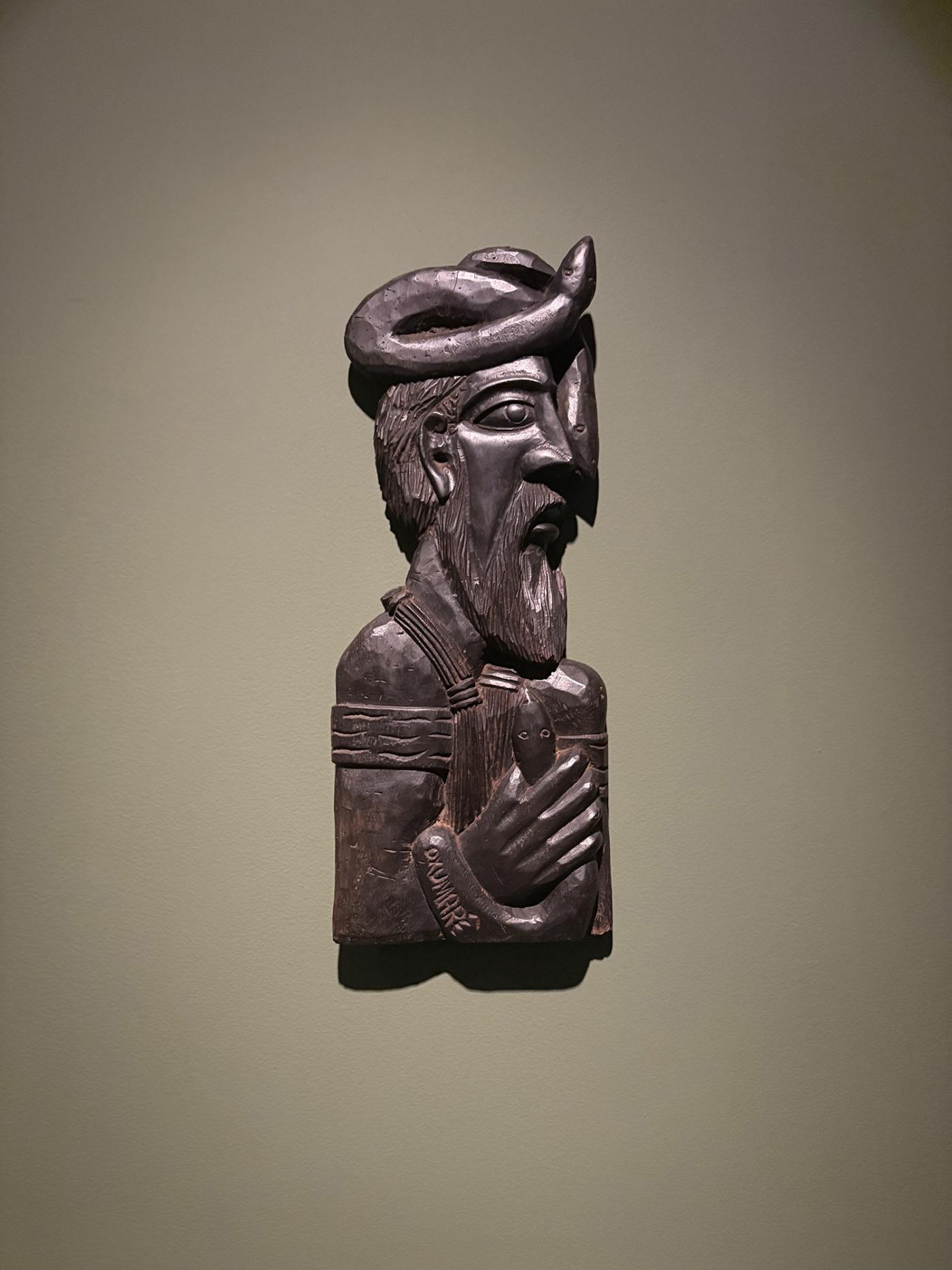
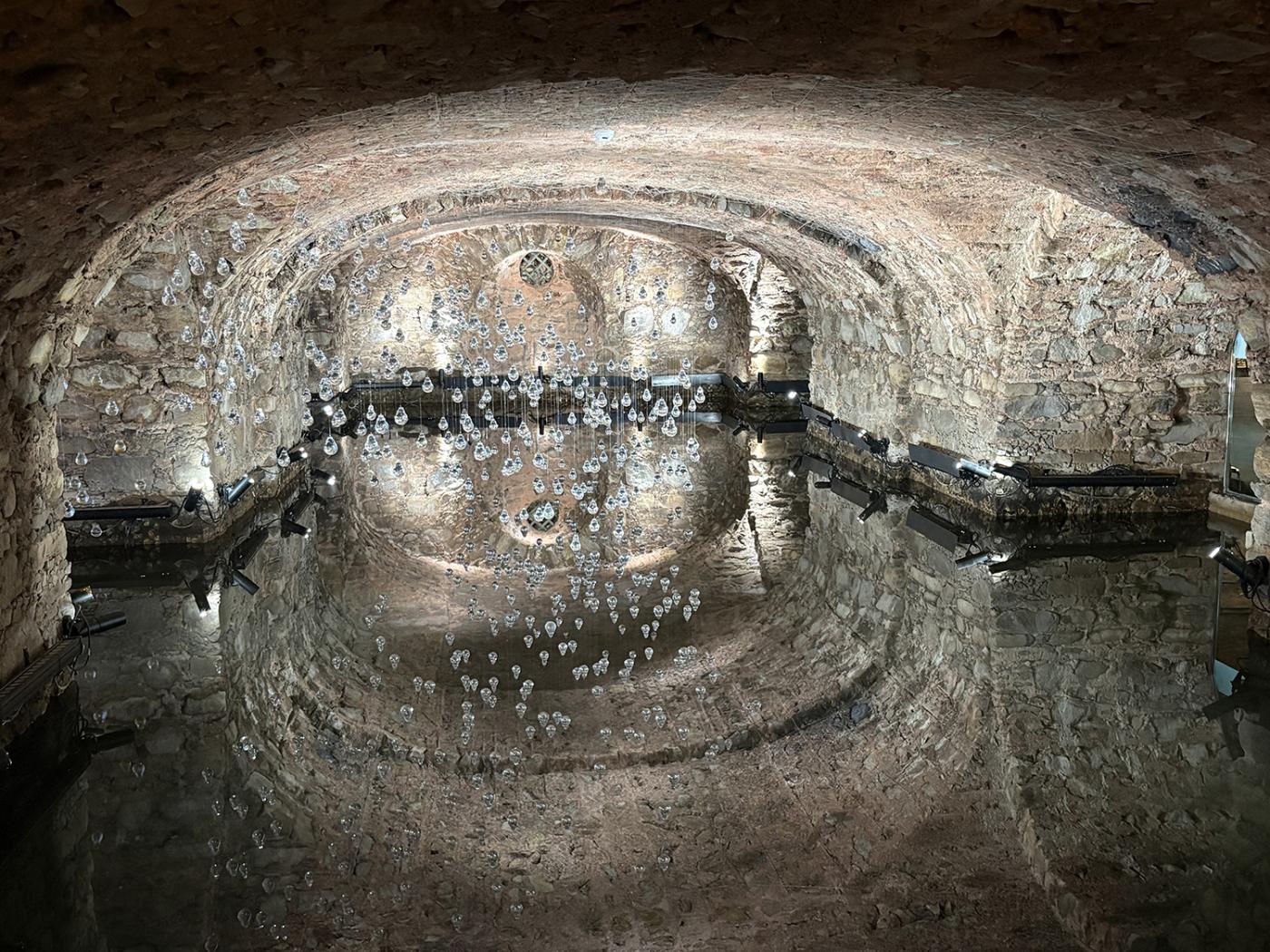
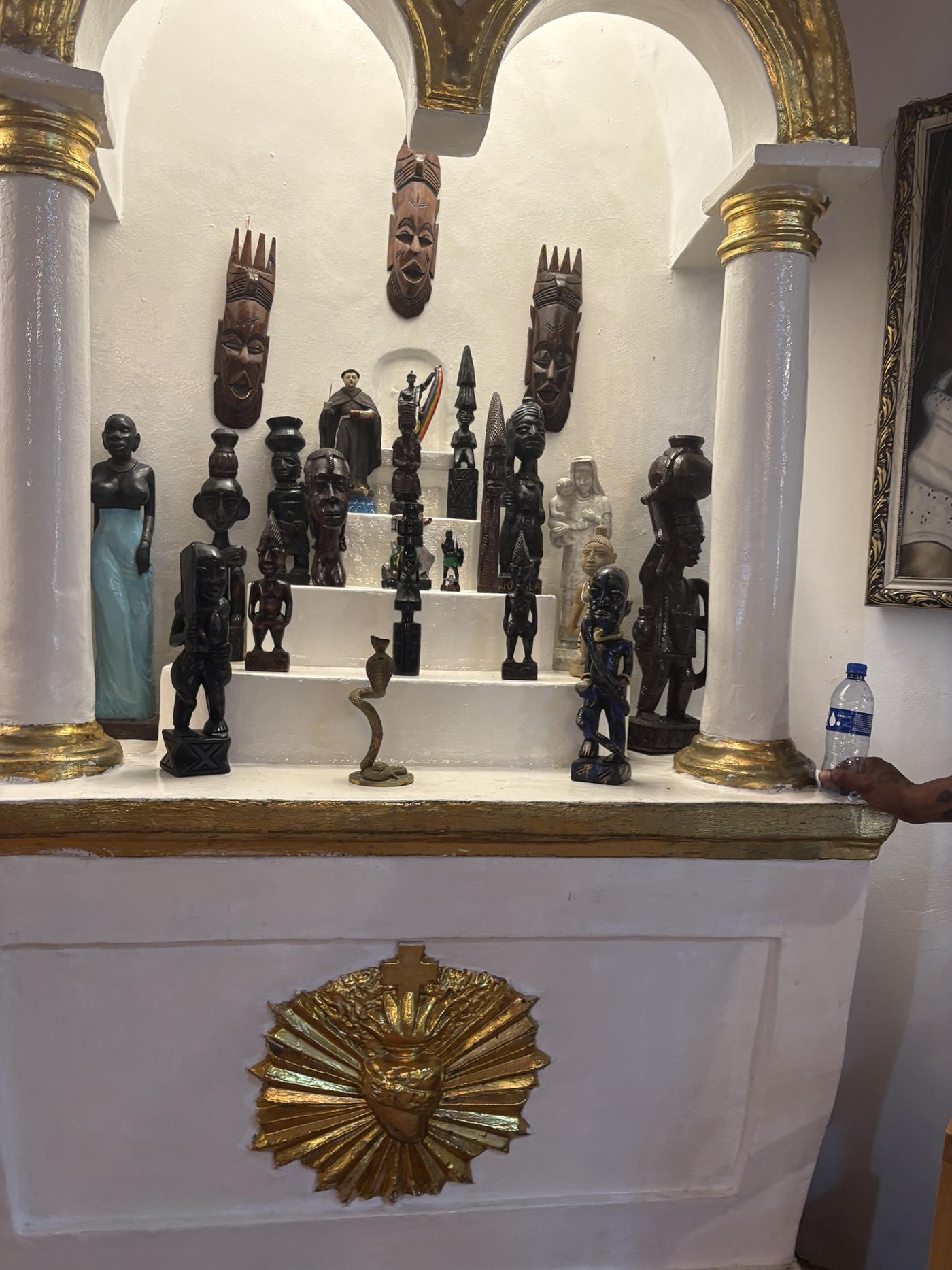
My collaborator Digi Chivetta and I visited Candomblé temples, museums and cultural institutions where we saw a variety of artistic voices and a curatorial approach that is coming to terms with the biases that have informed its analytical gaze. The exhibition “Unclassifiable” at MUNCAB (the National Museum of Afro-Brazilian Culture) dares the viewer to look at the beauty and richness of so-called “naif” art and say it is unschooled, unpolished, or ugly. Places like Galeria Mercado carry this tension in their very names. “Galeria” means “gallery” and “mercado” means “market.” One points to high culture, the other to low culture. Implicitly it asks: who decides? And within the gallery, we find the work of contemporary afro-Brazilian artists who use materials such as scrap wood and empty lightbulbs to create ethereal, almost spiritual spaces. Above the basement gallery, a busy market sells everything from hot sauce to musical instruments, roasted cashew nuts, and paintings. The building itself becomes a question.
Brazilian aesthetics synthesizes with everything it touches, and parts of the art historical establishment (MUNCAB and Museu de Historia de Salvador come to mind) speak with an awareness of this synthesis and its implications. These efforts have led to a more inclusive understanding of beauty, of technique, and what it means to be part of a school or art movement. Even the more traditional Museum of Modern Art, which is focused on academic expressions of modern and contemporary art, has its own stories of Brazilian cultural embrace. Lina Bo Bardi and Walter Smetak were both European artists who came to Brazil and eventually became permanent residents. Both artists are highly recognized in their fields of architecture and music. And both artists are well-represented at the museum. Bo Bardi herself designed one of the exhibition buildings, and part of her popular art collection is housed in one of the galleries. Smetak’s experimental instruments take up a small building at the top a long set of stairs and catwalks, overlooking the pounding waves below. Artistic thriving is possible when we let go of aesthetic judgments that are rooted in elitism and white supremacy, and permit ourselves to explore imaginatively and expansively—so I bottled that lightning and brought it home.
My vision and planning for the workshop series “Gathering Ground: Finding your Spirit Guide,” which is funded by the Worcester Arts Council and hosted at The Village Worcester, were deeply shaped by my experience in Salvador. The class invites community members to explore their inner wisdom, their cultural heritage, and their ancestral connections, to create (or get in touch with) their spirit guides. On the surface, I’m using lots of photographs from my trip to illustrate various invitations to create. Underneath the surface, the course is also doing the conceptual work of imparting the two core values of non-judgment and syncretic inclusion.
As a facilitator, my goal is to create a space where participants can explore using different modalities—visual arts, jewelry, poetry, and performance—as lenses they can use on the journey to finding their spirit guide. The plural approach is key. One mode or lens is not better than another. Different people will resonate with different modalities, and this is a good thing! Each creative experience yields another perspective, understanding, or connection.
The results of the class will be shared in a final showcase in November where participants will select pieces that they created during the workshops. These could be visual art pieces, poems, or performances developed with my co-facilitators. The goal of the workshop is to help participants develop confidence in their own lived experiences. Using art as a reflective practice promotes synthesis, so folks can return to their communities with a more stable sense of self. Not to mention the bonds formed with other people in the community who also participated in the creative journey.
Last year was the beginning of my career as a public artist and educator, after almost 20 years in the classroom teaching high school English. The PALF grant gave me the opportunity to deepen this practice—to listen across cultures, to embrace multiple ways of making and meaning, and to bring that learning home. Through Gathering Ground, I am carrying that spirit forward, creating space for people to find their own voices and allowing those voices to become part of the larger community, creating solidarity, shared understanding, and empathetic openness.
Receive the latest news, grant offerings, and community events.